
Free tool: Calculate your grease trap size in 60 seconds →
Tagged

grease interceptor

Grease Trap Requirements in California: CPC, LA County, and Bay Area Rules

Commercial kitchen with grease interceptor and complex plumbing, dramatic lighting.

Grease trap requirements California restaurant owners face are the nation’s most aggressive enforcement system. California Plumbing Code Chapter 10 sets the baseline, but LA County, Bay Area, and individual cities pile on additional mandates that can triple your compliance burden. Key Takeaways:• California Plumbing Code Chapter 10 mandates grease interceptors for all commercial kitchens but … Read more
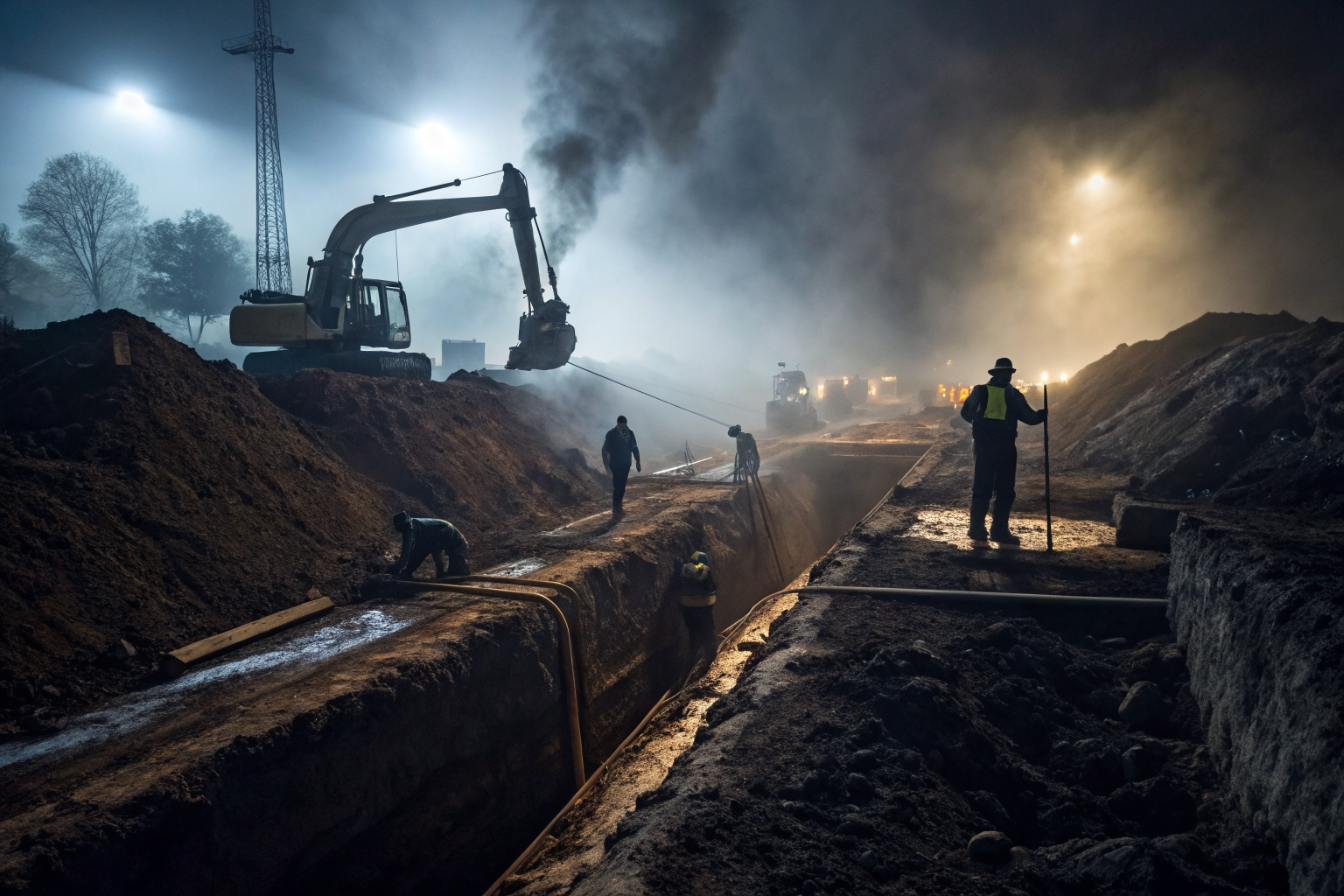
Underground Grease Trap Installation: Excavation and Placement

Construction site with excavation for grease trap, dramatic lighting and fog.

Underground grease trap installation fails inspection in 60% of cases because contractors skip excavation permits and guess at setback requirements. The most expensive mistakes happen before you dig. Key Takeaways: Excavation permits must be filed 72 hours before digging starts, no exceptions in most jurisdictions Inlet elevation must be 2-4 inches higher than outlet elevation … Read more

Grease Trap Installation: Complete Guide for Commercial Kitchens

Plumber installing grease trap under sink in a commercial kitchen.

Grease trap installation mistakes cost restaurant owners $15,000 in repairs when they skip critical pre-installation steps. Most failures happen because owners don’t understand code requirements, permit processes, or proper elevation specifications before breaking ground. Key Takeaways: Under-sink installations require 18-inch minimum clearance while gravity interceptors need 3-foot access zones per UPC 1003.3.4 Licensed plumbers reduce … Read more

Residential Grease Traps: Do Homeowners Need One?

Close-up of a residential grease trap under a sink with dramatic lighting.

Residential grease trap installation confuses homeowners who dump cooking grease down drains without knowing they’re slowly destroying septic systems or creating expensive sewer line blockages. Most single-family homes operate under different plumbing codes than commercial grease trap facilities. Key Takeaways: • No residential building codes require grease traps for single-family homes in any U.S. state• … Read more

Underground Grease Interceptors: Guide to In-Ground Systems

Hyper-detailed underground grease interceptor with wastewater flowing in.

Underground grease trap systems face new mandates in major cities, forcing developers to choose between concrete and polyethylene interceptors costing $15,000-$45,000 installed. These gravity-fed units handle commercial flows that overwhelm standard grease trap types, making them essential for high-volume food service operations. Key Takeaways: Underground grease interceptors range from 500-3,000 gallons with concrete systems lasting … Read more

Above-Ground Grease Traps: When to Choose Floor-Mounted Over In-Ground

Floor-mounted grease trap in kitchen with dramatic lighting and fog.

Above ground grease trap systems solve the middle-capacity problem when your kitchen needs more than 20 GPM but excavation costs kill your budget. Floor-mounted units bridge the gap between cramped under-sink models and expensive in-ground interceptors. Key Takeaways: • Floor-mounted grease traps handle 50-100 gallon capacity ranges, filling the gap between under-sink units and underground … Read more

Does Your Dishwasher Connect to a Grease Trap? Code Requirements

Commercial dishwasher connecting to a grease trap in a dramatic, foggy setting.

Dishwasher grease trap connections confuse most commercial kitchen operators who assume dishwashers dump straight into grease traps, but code requirements vary by jurisdiction, and the wrong connection destroys your trap’s effectiveness. Key Takeaways:• Uniform Plumbing Code prohibits dishwasher connections to grease interceptors due to high-temperature bypass risks• International Plumbing Code allows connections but requires water … Read more

Grease Trap Sizing: The Complete Guide to Getting It Right

High-tech kitchen scene illustrating grease trap and piping system with dramatic lighting.

Grease trap sizing mistakes cost restaurants thousands in emergency repairs, code violations, and system failures that shut down kitchens during peak hours. One undersized unit can trigger weekly pump-outs instead of quarterly service, turning a manageable expense into a budget nightmare. Key Takeaways: • GPM flow rate calculations determine 85% of commercial grease trap sizing … Read more

Grease Trap vs Grease Interceptor: What’s the Difference?

Grease trap and interceptor with dramatic lighting and fog.

Grease trap vs grease interceptor confusion causes most restaurant owners to discover they picked the wrong grease management system only after failing a health inspection. Understanding what is a grease trap versus an interceptor prevents expensive retrofits and code violations. Key Takeaways: Grease traps handle 20 GPM or less, while interceptors process 50-1000+ GPM for … Read more

Grease Trap Parts: Every Component Explained

Detailed grease trap with baffles and flow restrictors, dramatic lighting.

Grease trap parts fail without warning, and a single broken baffle can turn your system into a $15,000 sewer backup nightmare. Understanding what is a grease trap requires knowing its components and how they work together to prevent costly disasters. Key Takeaways: Grease trap baffles fail every 3-5 years and cause 73% of all separation … Read more