

Grease trap cleaning violations shut down restaurants every week. Restaurant operators who skip proper maintenance face $25,000 fines, sewer blockages that close kitchens, and health department violations that end businesses permanently. Your commercial grease trap becomes a liability without the right cleaning schedule and compliance documentation.
Key Takeaways:
• The 25% rule requires cleaning when FOG accumulation reaches 25% of trap capacity, failure to comply triggers automatic violations in most jurisdictions
• Licensed grease haulers must pump and dispose of FOG waste within 72 hours of cleaning to meet EPA documentation requirements
• High-volume kitchens need cleaning every 14-30 days while bakeries and coffee shops can extend to 90-120 days based on actual FOG production rates
What Does the 25% Rule Mean for Grease Trap Cleaning?

The 25% rule is the industry standard requiring grease trap cleaning when fats oils and grease (FOG) accumulation reaches 25% of total trap capacity. This means measuring the combined thickness of the floating grease layer and settled solids layer against the trap’s total depth.
Most inspectors measure FOG depth using a clear tube or measuring stick inserted vertically into the trap. FOG layer measuring 3 inches in a 12-inch trap equals 25% capacity requiring immediate cleaning. The measurement includes both surface scum and bottom sludge, not just the visible floating grease.
This standard exists because FOG levels above 25% severely reduce hydraulic capacity and treatment efficiency. Traps operating beyond this threshold allow untreated grease to pass through to municipal sewer systems, causing downstream blockages and treatment plant problems.
Inspectors typically check three measurement points across the trap’s length to account for uneven accumulation. Digital photography during inspections documents compliance or violations. Most jurisdictions mandate immediate cleaning when any measurement point exceeds 25%, not an average across all points.
Violation penalties start at $500-2,500 for first offenses in major cities. Repeat violations or FOG levels above 50% capacity trigger emergency shutdown orders and fines reaching $25,000. The FOG cleaning frequency requirement applies regardless of trap age or maintenance history.
How Often Should Different Restaurant Types Clean Their Grease Traps?

Restaurant type determines cleaning frequency schedule based on actual FOG production rates, not theoretical calculations. Full-service restaurants average 21 days between cleanings while pizza shops can extend to 45 days based on FOG production studies.
| Restaurant Type | Cleaning Frequency | FOG Production Level | Typical Trap Size |
|---|---|---|---|
| Full-service restaurants | 14-21 days | High | 1,000+ gallon |
| Fast food chains | 21-30 days | High | 500-1,000 gallon |
| Pizza shops | 30-45 days | Medium | 500 gallon |
| Coffee shops | 60-90 days | Low | 100-250 gallon |
| Bakeries | 90-120 days | Very Low | 100 gallon |
| Cafeterias | 14-28 days | High | 1,000+ gallon |
Fryer-heavy operations like chicken restaurants and donut shops need more frequent cleaning due to direct oil disposal into prep sinks. Seasonal variations affect FOG accumulation rates, summer heat accelerates grease solidification while winter cold slows bacterial decomposition.
Kitchen best management practices significantly impact cleaning schedules. Restaurants with proper pre-rinse procedures and staff training extend intervals by 20-35% compared to facilities with poor FOG prevention protocols. High-volume operations during peak seasons may require weekly pump-outs to maintain compliance.
Grease trap sizing affects frequency requirements. Undersized traps reach 25% capacity faster, forcing more frequent cleanings. Oversized traps allow longer intervals but cost more upfront and require larger pump-out volumes when cleaned.
Professional Grease Trap Cleaning vs In-House Maintenance

Licensed grease haulers provide compliant FOG waste disposal that meets EPA requirements for commercial kitchen operations. Professional pump-out services cost $150-400 per cleaning while EPA violations for improper disposal start at $2,500 per incident.
| Service Type | Cost Range | Tasks Included | Compliance Level |
|---|---|---|---|
| Professional pump-out | $150-400 | Full FOG removal, disposal, documentation | EPA compliant |
| Licensed hauler service | $200-500 | Pumping, transport, manifest completion | Fully compliant |
| In-house maintenance | $25-75 | Surface skimming, basket cleaning | Partial compliance |
| Staff daily cleaning | $15-40 | Visible grease removal, basic maintenance | Non-compliant alone |
Daily in-house maintenance includes skimming surface grease, removing food debris, and cleaning removable components like baskets and baffles. Staff can handle routine tasks but cannot replace licensed hauler services for accumulated FOG removal and proper disposal.
Professional services provide manifests documenting proper waste disposal, chain of custody records, and compliance certificates required for regulatory inspections. Licensed haulers transport FOG waste to approved treatment facilities, preventing illegal dumping penalties.
Liability differences matter significantly. Restaurants performing only staff maintenance face full responsibility for compliance violations. Professional services carry insurance covering improper disposal claims and regulatory penalties. The grease trap pumping service industry maintains strict licensing requirements in most jurisdictions.
In-house cleaning cannot achieve the deep cleaning required to reset FOG accumulation timers. Surface skimming removes only floating grease, leaving settled solids and emulsified fats that continue building toward the 25% threshold.
What Documentation Must You Keep for Grease Trap Compliance?
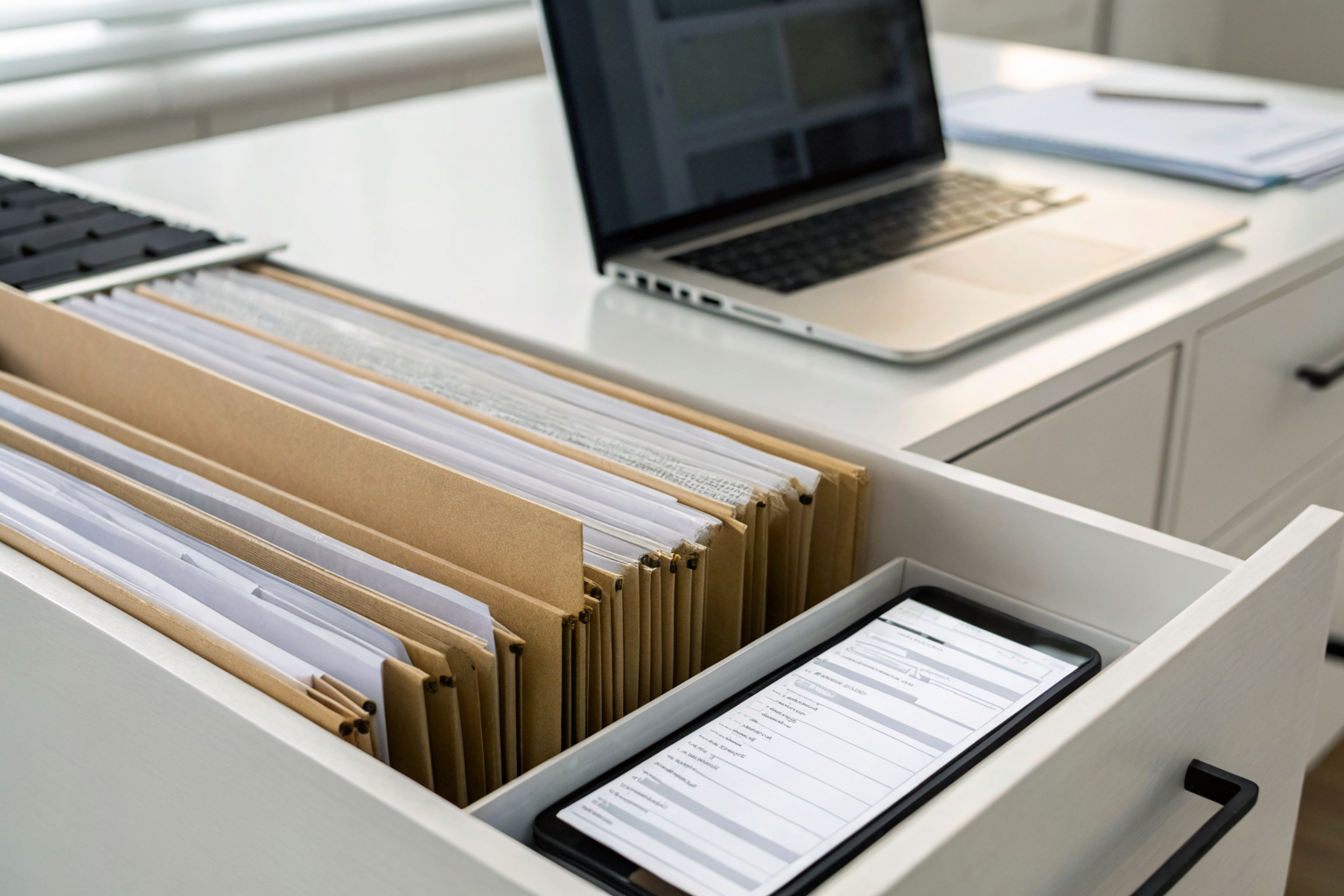
Compliance documentation proves proper FOG management program implementation and prevents violation penalties during regulatory inspections. EPA requires 3-year retention of all FOG disposal manifests with 48-hour digital reporting to municipal databases in major cities.
Hauler manifests documenting each pump-out service, including date, volume removed, disposal facility destination, and hauler license numbers for all licensed grease hauler transactions.
Inspection logs recording monthly FOG depth measurements, photographic evidence of compliance levels, and corrective actions taken when approaching 25% capacity thresholds.
Staff training records showing employee completion of FOG prevention protocols, including pre-rinse procedures, proper disposal methods, and emergency response training with dated signatures.
Maintenance schedules tracking daily cleaning tasks, equipment repairs, and replacement of worn components like gaskets, baffles, and outlet assemblies with vendor receipts.
Violation response documentation including corrective action plans, timeline compliance, and follow-up inspection results when addressing regulatory notices or citations.
Chemical treatment logs if using biological additives or enzymes, documenting application rates, product specifications, and effectiveness monitoring with vendor certifications.
Digital record systems offer advantages over paper documentation, including automated backup, searchable databases, and instant access during inspections. Most health departments accept smartphone photos of trap conditions when properly dated and GPS-tagged.
Retention periods vary by jurisdiction. Federal EPA requirements mandate 3-year minimum retention. State and local regulations often extend requirements to 5-7 years for commercial operations.
How Do You Train Kitchen Staff on FOG Prevention?

Staff training reduces FOG accumulation rates by 35% compared to facilities without formal protocols when properly implemented across all kitchen positions.
Institute pre-rinse procedures requiring all dishes, pots, and utensils to be scraped and wiped clean before washing, removing visible grease and food particles that would otherwise enter the grease trap system.
Establish oil disposal protocols designating specific containers for used cooking oil collection, training staff to never pour hot oil down drains, and scheduling regular pickup by licensed waste oil recyclers.
Implement sink strainer maintenance assigning daily cleaning responsibility for all floor drains and prep sink strainers, ensuring staff remove collected debris and rinse strainers thoroughly after each shift.
Document training completion using signed acknowledgment forms confirming each employee understands FOG prevention requirements, disposal procedures, and their specific responsibilities in maintaining kitchen best management practices.
Schedule monthly refresher sessions reviewing proper procedures, addressing questions about new equipment or menu items, and updating protocols based on seasonal changes in kitchen operations or regulatory updates.
Create visual reminder systems posting laminated procedure cards at dish stations, prep areas, and disposal points showing correct FOG handling steps with clear photos and multilingual text when needed.
New employee orientation must include grease trap awareness before allowing independent work in dish or prep areas. Many violations result from untrained staff who don’t understand how their daily actions affect FOG accumulation and compliance requirements.
Frequently Asked Questions
Can I clean my grease trap myself instead of hiring a pumping service?
You can perform daily maintenance like skimming surface grease and cleaning baskets, but licensed haulers must pump accumulated FOG and dispose of waste properly. Most jurisdictions require professional pump-out services every 30-90 days depending on your trap size and FOG production rates. Staff cleaning alone cannot maintain compliance with the 25% rule.
What happens if I don’t follow the 25% rule for grease trap cleaning?
Violations start at $500-2,500 for first offenses in most cities, escalating to $25,000+ for repeat violations. Your restaurant can face immediate shutdown orders if inspectors find FOG levels exceeding 50% of trap capacity or evidence of illegal dumping. Health departments treat grease trap violations as serious public health hazards.
How do I know when my grease trap needs cleaning without measuring?
Warning signs include slow drain times, sewage odors from floor drains, and visible grease backing up into sinks. However, relying on these symptoms means you’re already past the 25% rule and facing potential violations. Regular measurement prevents emergency situations and maintains compliance.