

Above ground grease trap systems solve the middle-capacity problem when your kitchen needs more than 20 GPM but excavation costs kill your budget. Floor-mounted units bridge the gap between cramped under-sink models and expensive in-ground interceptors.
Key Takeaways:
• Floor-mounted grease traps handle 50-100 gallon capacity ranges, filling the gap between under-sink units and underground interceptors
• Installation costs run 60-75% less than in-ground systems because you avoid excavation, concrete work, and utility relocations
• Code acceptance varies by jurisdiction, UPC allows floor-mounted units more broadly than IPC in most commercial applications
What Is a Floor-Mounted Grease Trap?
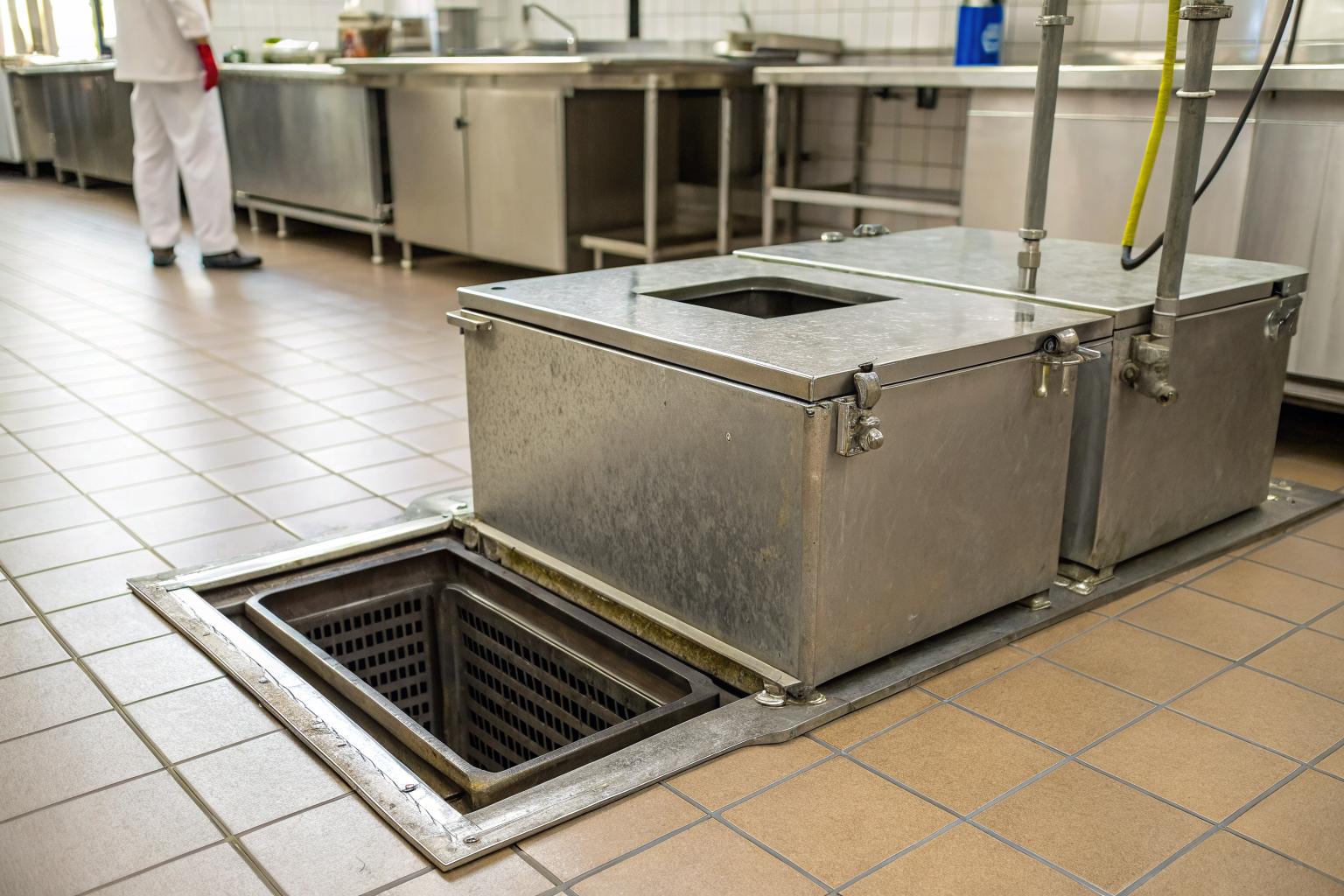
A floor-mounted grease trap is a gravity-fed grease interceptor that sits directly on the kitchen floor and handles mid-range flow capacities between 15-35 GPM. This means you get the processing power of larger systems without digging up your parking lot or dealing with underground installation headaches.
Floor-mounted and above-ground refer to the same technology. The terms get used interchangeably in specs and permits. These units occupy floor space inside your building instead of buried outside.
Most floor-mounted systems use hydromechanical grease trap technology with internal baffles that separate fats oils and grease (FOG) through controlled flow patterns. The units typically measure 4-6 feet long by 2-3 feet wide, standing about waist-high for easy maintenance access.
Capacity ranges from 50-100 gallons, handling 15-35 GPM flow rates. This positions them perfectly between cramped 20-gallon under-sink units and massive 1,000+ gallon underground interceptors. You get professional-grade grease separation without the installation nightmare.
The key advantage? You can see the unit, access it easily, and service it without calling an excavation crew. When your 75-gallon floor unit needs pumping, the service tech walks through your back door instead of digging up asphalt.
When Does Code Require Floor-Mounted Over Under-Sink Options?
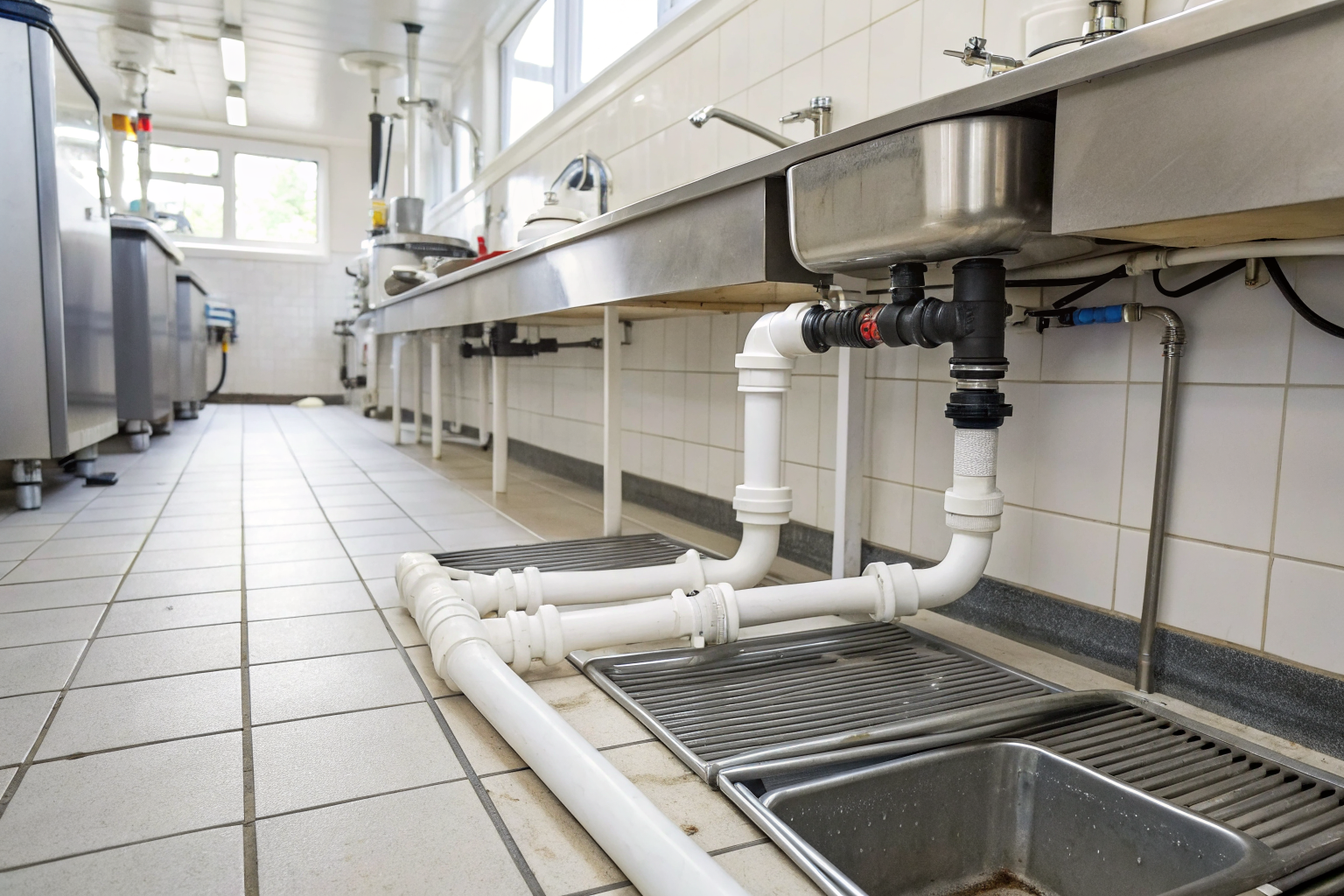
The Uniform Plumbing Code triggers floor-mounted requirements when your kitchen exceeds specific thresholds that overwhelm under-sink capacity. Here’s when you must upgrade:
Total flow exceeds 20 GPM, Most jurisdictions require floor-mount when your combined fixture load hits this threshold, regardless of how many sinks you have.
Serving 8+ fixtures, Even if individual fixtures run light, the cumulative grease load from multiple prep sinks, dishwashers, and floor drains demands larger capacity.
High-volume fryer operations, Kitchens with multiple fryers or continuous frying operations generate FOG loads that saturate under-sink units within hours.
Commercial dishwasher connections, High-temp dish machines push both flow rates and grease concentrations beyond what 20-gallon units can handle effectively.
Wok stations and Asian cooking, The oil volumes from wok cooking create grease loads that require gravity grease interceptor capacity, not just basic trapping.
Most jurisdictions require floor-mount when total connected load exceeds 20 GPM or serves 8+ fixtures. However, some inspectors get stricter with restaurant types known for heavy grease production. Your local permit office has the final word on what triggers the upgrade requirement.
The jump from under-sink to floor-mounted isn’t optional when code demands it. You can’t just install multiple under-sink units to meet capacity, the plumbing code specifically requires centralized treatment above certain thresholds.
Floor-Mounted Grease Trap Options by Capacity Range
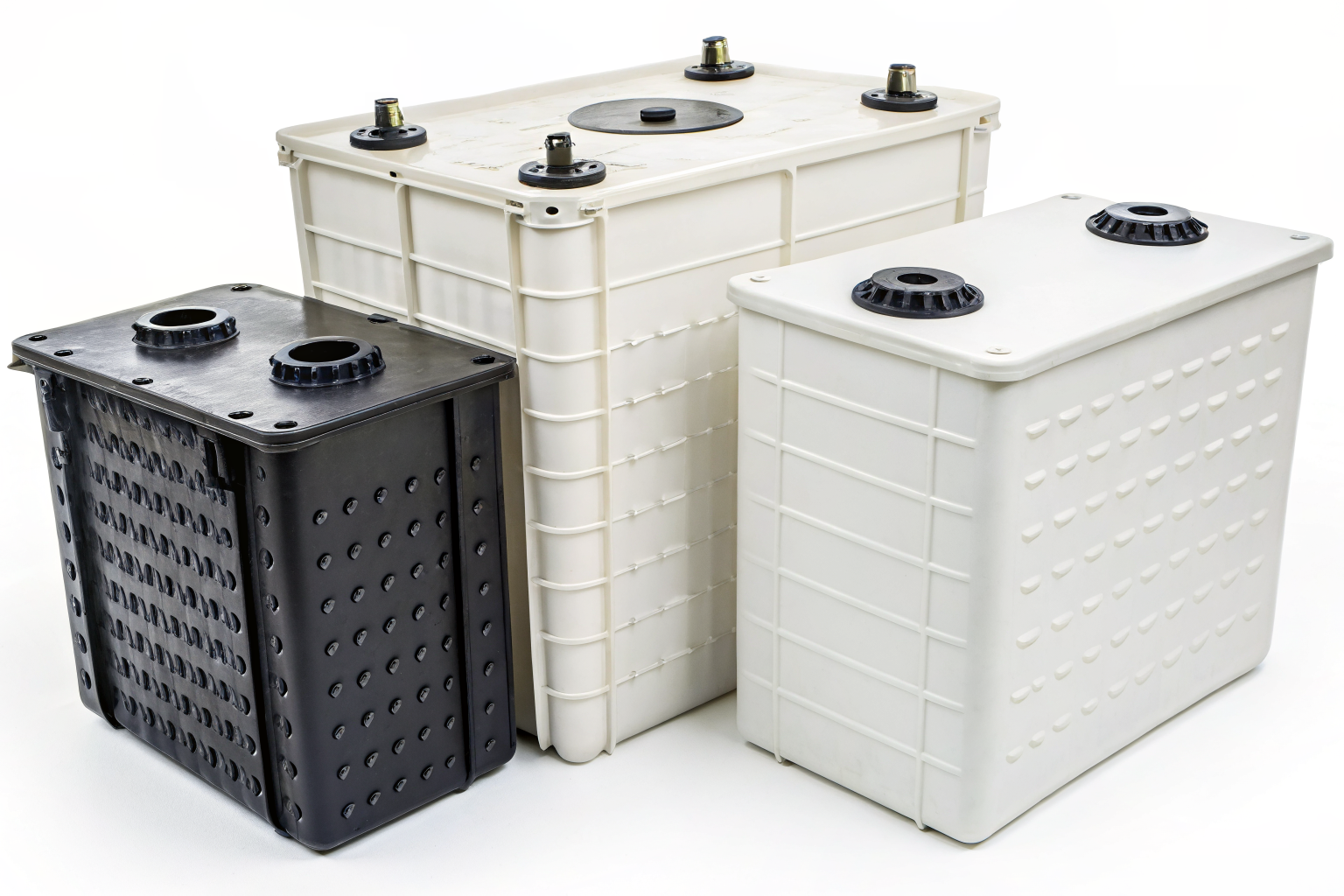
Floor-mounted units come in three main capacity tiers, each targeting different commercial kitchen sizes and flow requirements.
| Capacity | GPM Rating | Typical Use | Installed Cost | Maintenance Frequency |
|---|---|---|---|---|
| 50 gallon | 15-20 GPM | Small restaurants, cafes | $2,800-4,200 | Weekly pumping |
| 75 gallon | 20-30 GPM | Mid-size restaurants | $3,500-5,800 | Bi-weekly pumping |
| 100 gallon | 30-35 GPM | Large kitchens, cafeterias | $4,800-7,200 | Monthly pumping |
50-gallon units cost $2,800-4,200 installed vs $8,000-12,000 for equivalent in-ground capacity. This price difference comes from eliminating excavation, concrete work, and utility relocations that underground systems require.
Hydromechanical grease trap models dominate the floor-mounted market because they process higher flow rates in compact footprints. Gravity grease interceptor designs work better for larger capacities where you have space for longer retention times.
Automatic grease removal device options add $1,500-3,000 to base pricing but eliminate manual pumping schedules. These systems detect grease levels and pump waste automatically to holding tanks or directly to waste hauler trucks.
Material choices affect longevity and pricing. Stainless steel units cost 40-60% more than fiberglass but handle aggressive cleaning chemicals better. Concrete and steel hybrid designs offer middle-ground pricing with good chemical resistance.
Above Ground vs Underground: Cost and Installation Comparison
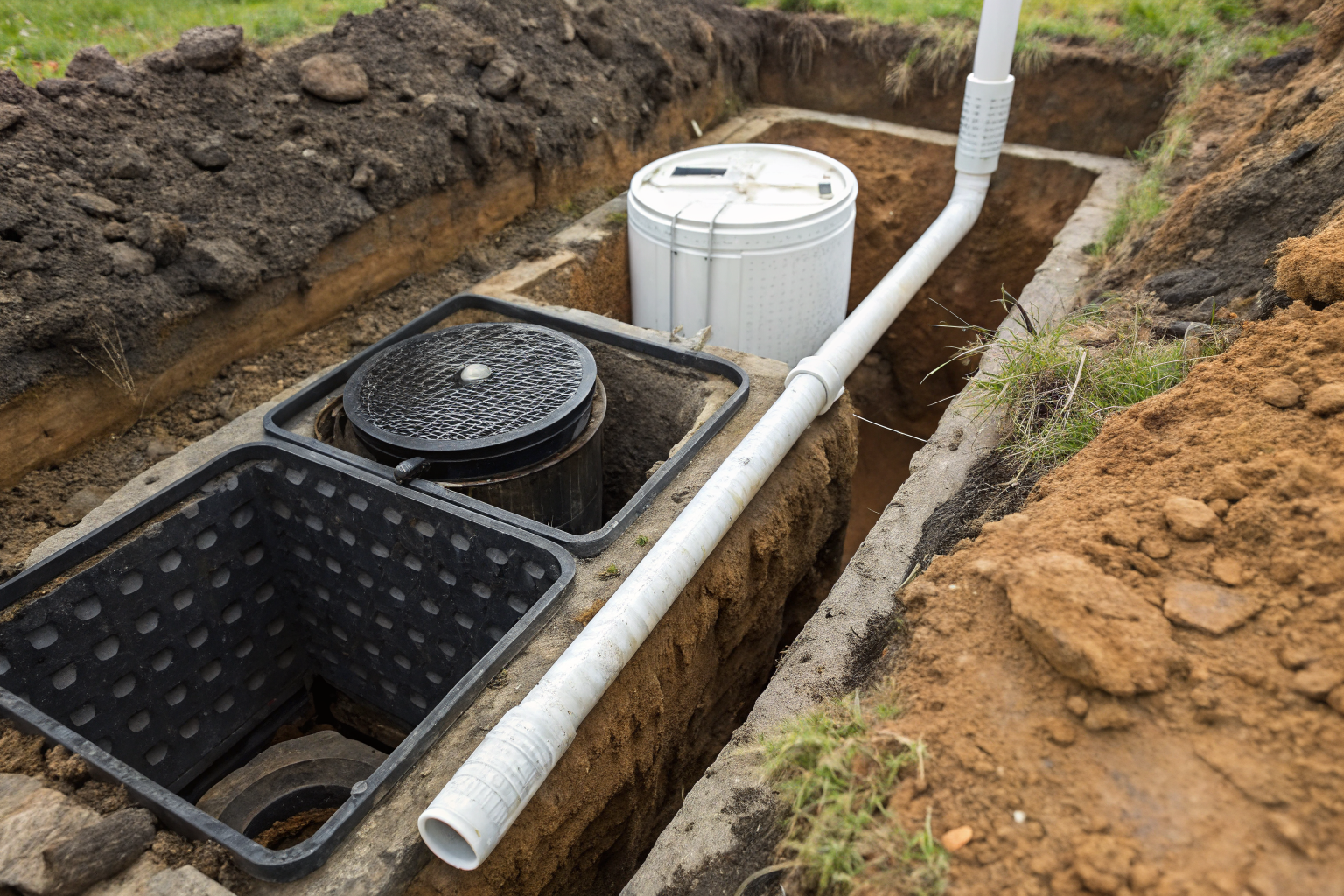
The financial difference between above-ground and in-ground grease management goes far beyond the unit price. Installation complexity drives the real cost gap.
| Cost Factor | Above Ground | Underground | Difference |
|---|---|---|---|
| Equipment cost | $2,800-7,200 | $4,500-15,000 | 60% higher underground |
| Excavation | $0 | $2,500-8,000 | Underground only |
| Concrete work | $0 | $1,500-4,000 | Underground only |
| Utility relocation | $0 | $800-3,500 | Underground only |
| Installation timeline | Same day | 3-7 days | 85% faster above ground |
| Permit complexity | Standard plumbing | Engineering review | Simpler above ground |
Above-ground installation eliminates excavation costs and utility relocation requirements. Your plumber connects supply and drain lines without disturbing parking lots, landscaping, or buried utilities. Underground installation adds 3-7 days for excavation vs same-day floor-mount installation.
However, underground systems offer advantages that justify extra cost in some situations. They don’t consume valuable kitchen floor space. They handle unlimited capacity scaling. They stay out of sight and out of mind during daily operations.
Floor-mounted units create maintenance access advantages that underground systems can’t match. Service technicians reach all components without lifting heavy covers or working in confined spaces. You see problems developing instead of discovering them during emergency pump-outs.
The space requirement tradeoff matters most in cramped commercial kitchens where every square foot affects workflow efficiency. A 100-gallon floor unit occupies 12-18 square feet of prime kitchen real estate that might serve better for prep space or equipment storage.
What Space Requirements Do Floor-Mounted Units Need?
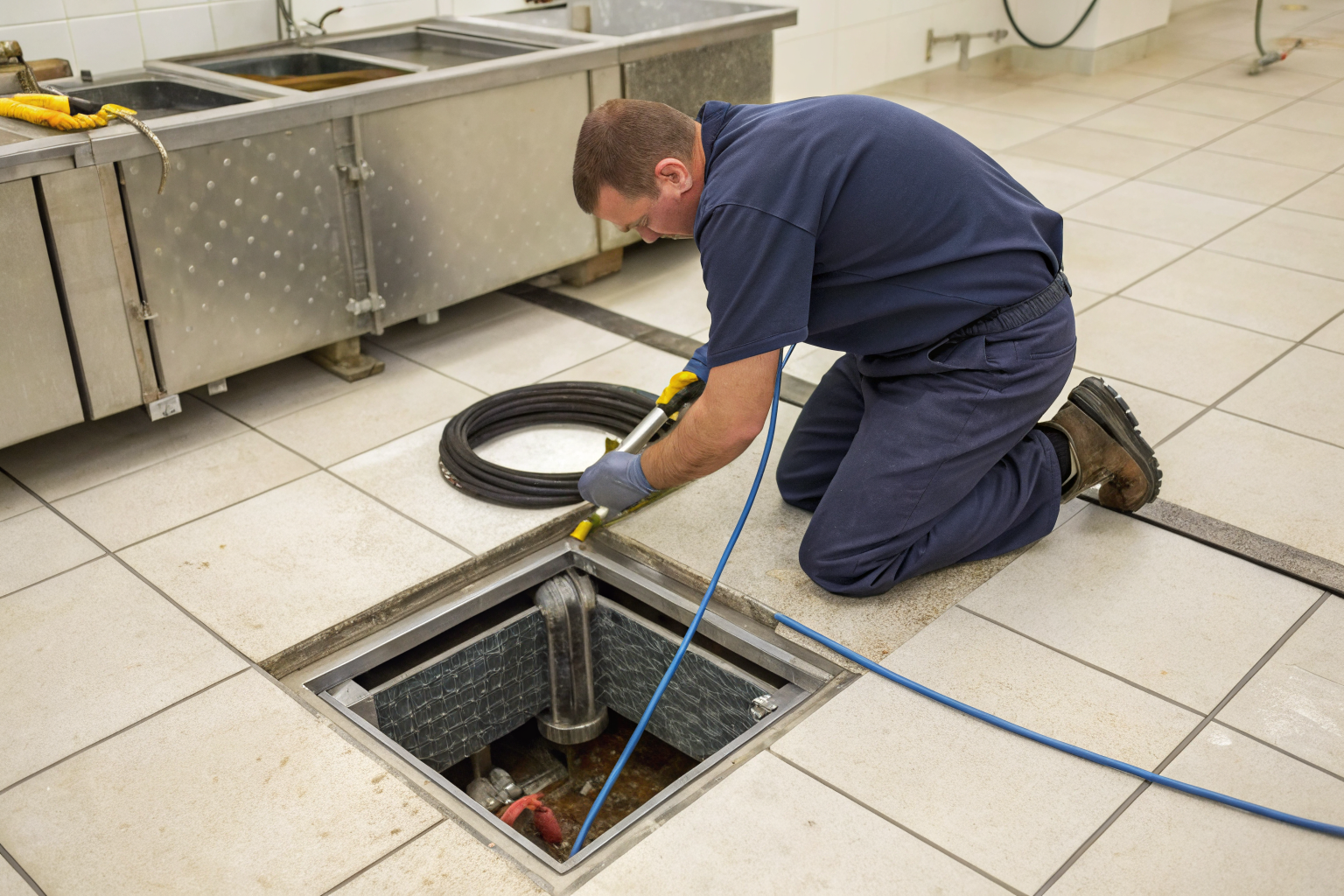
Floor-mounted grease trap installation requires specific clearance dimensions for code compliance and maintenance access. Follow these steps to verify adequate space:
Measure 18 inches minimum clearance on the service side, The Uniform Plumbing Code requires this space for technicians to access inlet/outlet connections and perform routine maintenance safely.
Allow 6 inches clearance on remaining sides, This prevents the unit from interfering with other equipment and provides inspection access for health department officials.
Confirm 8-foot minimum ceiling height, Maintenance requires removing the top cover, and service technicians need headroom to work without cramping.
Locate within 10 feet of floor drain, Overflow protection and cleaning operations require nearby drainage. Most codes mandate this proximity for safety.
Verify adequate ventilation space, The unit needs connection to your building’s vent system, typically requiring 2-inch pipe access to existing venting infrastructure.
UPC requires 18-inch minimum clearance on service side, 6 inches on other sides for inspection access. However, practical maintenance needs often demand more space than code minimums. Cramped installations create service headaches that cost money during every pump-out.
Floor drain proximity affects both safety and operational efficiency. Grease trap overflows happen during pump failures or extreme loading events. Without nearby drainage, these overflows create slip hazards and expensive cleanup requirements.
Some jurisdictions require earthquake restraints or tie-down systems for floor-mounted units over 75 gallons. Check local amendments to standard plumbing codes before finalizing your installation plan.
Which Jurisdictions Accept Floor-Mounted Grease Traps?
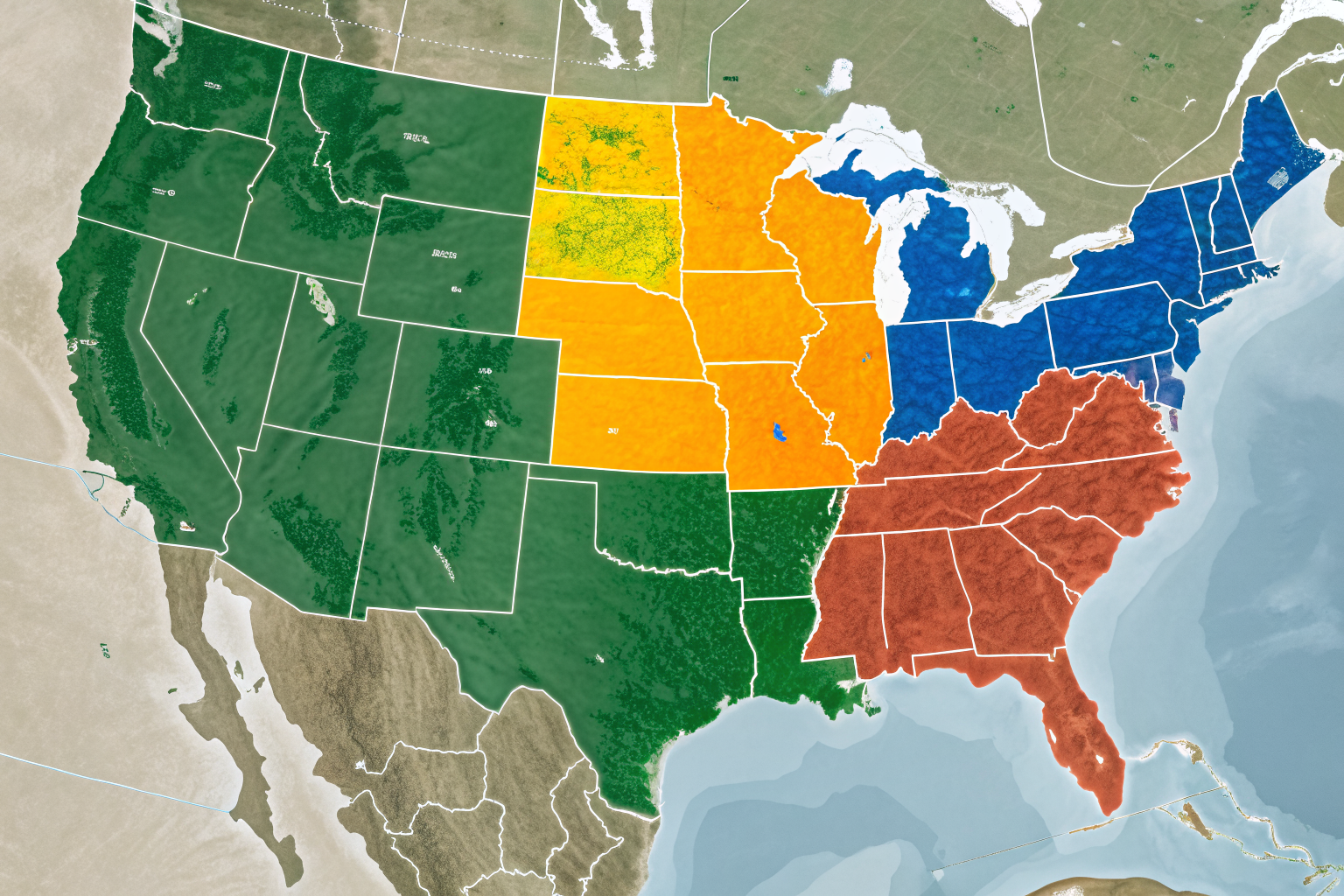
Code acceptance varies by jurisdiction between UPC and IPC adoption patterns. The Uniform Plumbing Code embraces floor-mounted grease trap installations more broadly than the International Plumbing Code in most commercial applications.
UPC jurisdictions accept floor-mount in 85% of commercial applications vs 60% under IPC. Western states using UPC typically allow floor-mounted systems for any application under 100 GPM flow rate. Eastern and southern states using IPC often restrict floor-mounted units to specific building types or require engineering justification.
California, Nevada, and most western states follow UPC standards that treat floor-mounted systems as equivalent to underground interceptors for capacity and performance requirements. Texas, Florida, and many southeastern states use IPC amendments that favor in-ground installations for restaurants and food service.
Permit requirements get more complex in jurisdictions that allow floor-mounted systems but require pre-approval. Some cities demand engineered drawings and structural calculations for units over 75 gallons. Others require special permits that take 2-4 weeks longer than standard plumbing permits.
The smart move? Call your local permit office before specifying equipment. Jurisdiction acceptance matters more than manufacturer claims or contractor preferences. A floor-mounted system that works perfectly in Phoenix might get rejected outright in Miami based purely on local code interpretations.
Frequently Asked Questions
How much does a 50 gallon floor mount grease trap cost installed?
A 50-gallon floor-mounted grease trap costs $2,800-4,200 installed, including the unit, plumbing connections, and permits. This price excludes electrical work if you choose an automatic grease removal device with pumping capability.
Can I use a floor-mounted grease trap in a commercial kitchen basement?
Floor-mounted grease traps work in basements if you have adequate ceiling height for maintenance access and proper drainage to carry effluent to the building’s main drain line. Check local code requirements for basement installations and flood protection.
Do floor-mounted grease traps need special ventilation?
Floor-mounted grease traps require the same venting as other grease management devices, typically a 2-inch vent pipe connected to the building’s vent system. The vent prevents vacuum formation and allows proper drainage flow through the unit.