

How often grease trap cleaned depends on fill level, not calendar dates. Most restaurants clean their grease traps wrong because they follow generic schedules instead of measuring actual fill levels. The 25% rule changes everything.
Key Takeaways:
• The 25% rule requires cleaning when grease and solids combined reach 25% of the trap’s total capacity
• 90% of major cities mandate maximum cleaning intervals between 60-90 days regardless of fill level
• High-volume kitchens typically need pumping every 14-21 days while low-volume operations can go 45-60 days
What Is the 25% Rule for Grease Trap Cleaning?
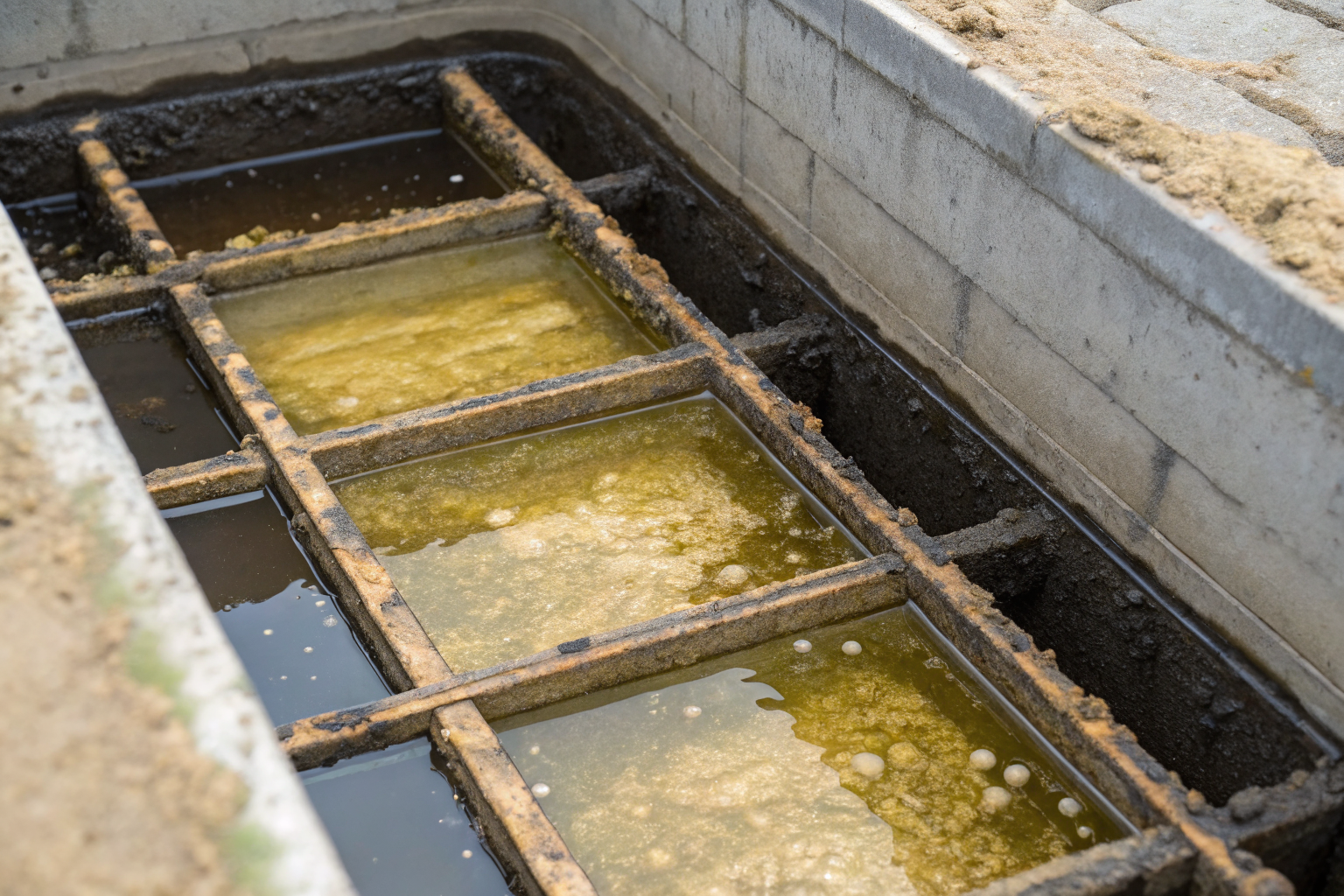
The 25% rule is the federal standard that triggers mandatory grease trap pumping when combined fats, oils, and grease plus settled solids reach 25% of total trap capacity. This means when you measure the floating grease layer and bottom sludge layer together, they cannot exceed one-quarter of your trap’s volume.
The rule applies to combined volume because both layers reduce separation efficiency. When fats oils and grease accumulate at the surface and solids settle at the bottom, the effective separation zone shrinks. At 25% combined fill, your commercial grease trap loses enough separation capacity that untreated FOG starts passing through to the sewer system.
Measuring fill level correctly requires checking both the top grease layer and bottom solids layer. You cannot measure just the floating grease. Federal guidelines specify the 25% calculation includes all accumulated waste materials that displace the trap’s working volume.
Licensed grease haulers use this measurement to determine when pumping is required. Most grease trap pumping service companies check fill levels during routine inspections and schedule cleaning when traps approach the 25% threshold. The rule prevents system overloading and maintains proper FOG separation.
How Do You Measure Grease Trap Fill Level?

Accurate measurement requires specific tools and timing to get reliable readings:
Take measurements during the coldest part of the day. Grease solidifies when cool, giving you accurate layer thickness readings instead of mixed liquid measurements.
Use a grease trap measuring stick or dipstick. Insert the measuring device straight down through the grease layer to the trap bottom, avoiding inlet and outlet areas where flow creates turbulence.
Measure the total trap depth first. Record the distance from the liquid surface to the trap bottom to establish your 100% capacity baseline.
Measure the bottom solids layer thickness. The measuring stick will show a different color or texture where it contacts settled solids at the bottom.
Measure the top grease layer thickness. Look for the clear demarcation where floating FOG ends and the middle water layer begins.
Calculate combined percentage. Add grease layer thickness plus solids layer thickness, then divide by total trap depth. Multiply by 100 for percentage.
Document the measurement. Record date, time, temperatures, and fill percentages. Most jurisdictions require written measurement logs for compliance.
Only trained personnel should perform measurements. Licensed grease haulers have the proper equipment and training to get accurate readings while following safety protocols for confined space entry.
Mandatory Cleaning Schedules by City

Municipal ordinances set maximum cleaning intervals that override the 25% rule when they require more frequent service:
| City | Maximum Interval | Enforcement Method |
|---|---|---|
| New York City | 90 days | Monthly inspection reports |
| Los Angeles | 90 days | Quarterly compliance audits |
| Chicago | 60 days | Random spot inspections |
| Houston | 90 days | Annual permit renewal |
| Phoenix | 60 days | Complaint-driven enforcement |
| Philadelphia | 90 days | Quarterly manifest reviews |
| San Antonio | 60 days | Annual facility inspections |
| San Diego | 90 days | Waste hauler reporting |
| Dallas | 90 days | Permit compliance checks |
| Austin | 30 days | Monthly manifest audits |
Cities set maximum intervals because even traps under 25% capacity can develop odors, attract pests, or create maintenance issues over time. Municipal regulations also account for seasonal variations and peak business periods that might push traps beyond safe operating limits.
Mandatory schedules create a compliance safety net. When kitchen best management practices include both 25% rule monitoring and municipal maximum intervals, restaurants stay compliant regardless of actual fill rates. You must follow whichever standard requires more frequent cleaning.
Enforcement mechanisms vary by city but typically include fines, permit suspension, or operational shutdowns for non-compliance. Most cities track cleaning through manifests submitted by licensed haulers and cross-reference them with business permits.
How Often Should Different Restaurant Types Clean Their Grease Traps?
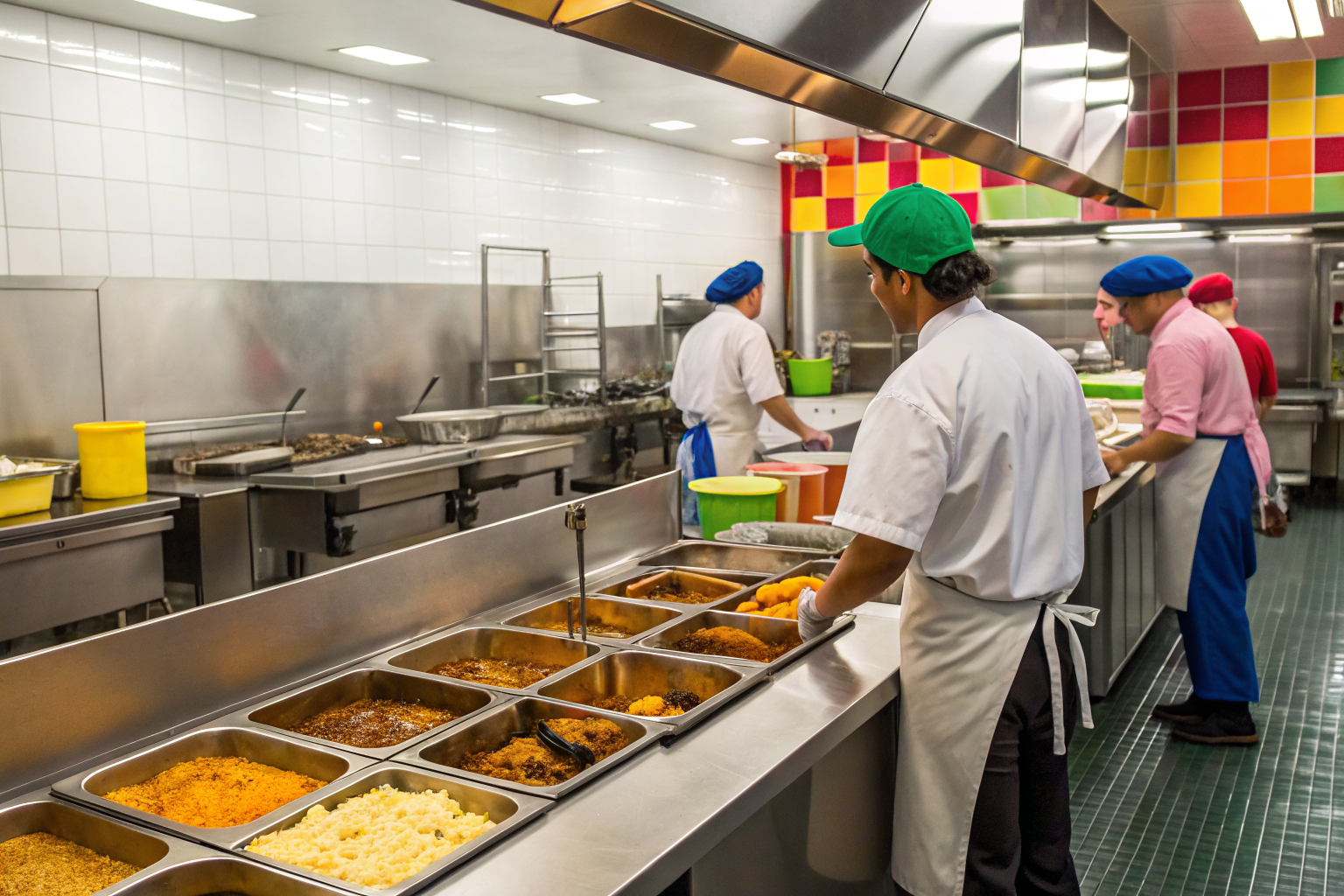
Cleaning frequency varies significantly based on kitchen volume and food preparation methods:
• Fast food and quick-service restaurants average 14-21 day intervals due to high-volume frying operations and continuous grease production throughout operating hours
• Full-service restaurants with extensive frying typically require 21-30 day cleaning cycles, depending on menu complexity and customer volume
• Bakeries and pastry shops usually need 30-45 day intervals since most FOG comes from butter, shortening, and occasional deep-frying rather than continuous grease production
• Coffee shops and cafes average 45-60 day cleaning schedules because minimal cooking means lower grease production, though espresso machine cleaning and food prep still generate some FOG
• Food trucks and mobile operations often need 14-28 day service due to smaller trap capacity and concentrated cooking in limited space
• High-volume chain restaurants frequently require weekly or bi-weekly pumping because massive throughput overwhelms standard trap capacity quickly
Factors that increase cleaning frequency beyond normal ranges include expanded frying menus, increased customer volume, smaller trap capacity relative to kitchen output, and poor kitchen practices like scraping plates into sinks. Grease trap pumping service companies adjust schedules based on actual fill rates rather than restaurant type alone.
Seasonal variations also affect frequency. Many restaurants need more frequent cleaning during busy seasons when volume spikes push traps beyond normal capacity limits.
When Do Mandatory Schedules Override the 25% Rule?

Municipal ordinances supersede federal guidelines when local requirements are more restrictive. The legal hierarchy places local health department regulations above EPA recommendations for cleaning frequency.
Mandatory schedules override 25% rule requirements in several situations. Cities require more frequent cleaning during peak seasons, in high-density restaurant districts, or when sewer capacity limitations demand stricter FOG control. Some municipalities mandate 30-day maximums regardless of trap fill levels to prevent seasonal overloading.
Compliance priorities follow local law first, then federal guidelines. When your city requires 60-day maximum intervals but your trap reaches 25% capacity in 45 days, you clean at 45 days. When your trap stays under 25% capacity for 90 days but city ordinance mandates 60-day maximums, you clean at 60 days.
Municipal maximums apply even when traps operate well under 25% capacity. This prevents long-term accumulation issues like solidified grease layers, anaerobic bacteria growth, or structural damage from extended exposure to FOG. Kitchen best management practices include tracking both measurement-based needs and calendar-based requirements to maintain full compliance.
Violations occur when restaurants follow only one standard while ignoring the other. Smart operators monitor fill levels weekly and schedule cleaning based on whichever trigger comes first.
Frequently Asked Questions
What happens if I exceed the 25% rule limit?
Exceeding 25% capacity reduces separation efficiency and creates compliance violations. Most cities issue fines ranging from $500-2000 for first violations and can shut down repeat offenders. Your trap stops working properly when overfilled, sending untreated grease into municipal sewer systems.
Can I clean my grease trap myself instead of hiring a pumping service?
Only licensed grease haulers can legally pump commercial grease traps in most jurisdictions. DIY cleaning violates waste disposal regulations and insurance policies typically exclude coverage for unlicensed maintenance. Proper disposal requires hazardous waste permits and approved treatment facilities.
Do I still need regular cleaning if my trap never reaches 25% capacity?
Yes, municipal ordinances set maximum cleaning intervals regardless of fill level. Even traps under 25% capacity must be pumped within city-mandated timeframes, typically 60-90 days. Long-term accumulation creates odors, pest problems, and equipment damage even at low fill levels.