
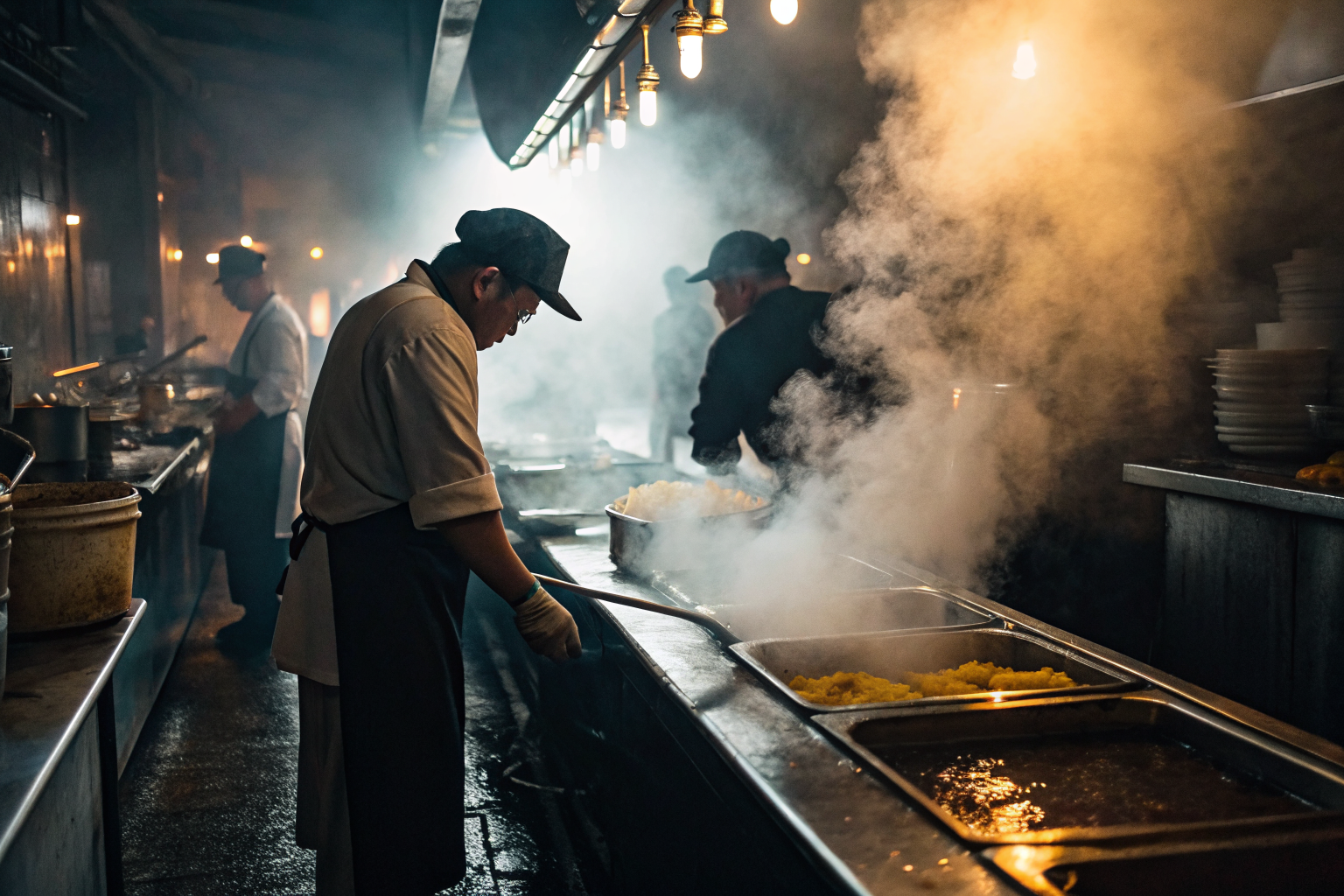
Grease trap cleaning schedule violations cost restaurant operators $5,000+ in fines, yet most schedule maintenance based on guesswork rather than actual FOG accumulation patterns. The commercial grease trap industry sees repeated compliance failures because operators ignore the fundamental 25% rule that determines when cleaning becomes mandatory.
Key Takeaways:
- The 25% rule determines cleaning frequency, when FOG and solids reach 25% of trap capacity, immediate cleaning prevents violations
- High-volume restaurants require weekly cleaning while low-volume cafes can extend to monthly schedules based on actual usage data
- Documentation must include cleaning dates, waste volumes, and hauler certifications to pass regulatory inspections
What Is the 25% Rule for Grease Trap Cleaning?

The 25% rule is the regulatory standard that determines when grease trap cleaning becomes mandatory. This means when fats oils and grease (FOG) combined with solid waste reaches 25% of your trap’s total capacity, you must schedule immediate cleaning to avoid code violations.
Most municipal codes adopt this 25% threshold because FOG accumulation beyond this point creates serious problems. The floating grease layer restricts water flow. Settled solids reduce effective trap volume. Both conditions allow FOG to pass through to the sewer system, violating pretreatment regulations.
You measure FOG accumulation using a wooden measuring stick or specialized FOG ruler. Insert the stick to the trap bottom, withdraw it, and check the grease line mark. The combined depth of floating grease plus settled solids cannot exceed 25% of the total liquid depth between the inlet and outlet pipes.
25% FOG accumulation triggers mandatory cleaning under most municipal codes. Some jurisdictions set stricter thresholds at 20% or even 15% for high-risk facilities. Check your local pretreatment ordinance for specific requirements.
A grease trap pumping service handles the actual removal process. Licensed haulers use vacuum trucks to extract all FOG, solids, and gray water, then transport the waste to approved disposal facilities. You cannot handle this waste yourself due to environmental regulations.
How Often Should Different Restaurant Types Clean Their Grease Traps?

Restaurant type determines FOG cleaning frequency based on cooking methods, meal volume, and operational hours. High-grease operations need frequent service while limited food prep facilities can extend intervals.
| Restaurant Type | Cleaning Frequency | FOG Volume Factor | Peak Season Adjustment |
|---|---|---|---|
| Fast Food/Fryer Heavy | Weekly | High – Multiple fryers | +25% summer months |
| Full Service Restaurant | Bi-weekly | Medium-High | +30% holidays |
| Casual Dining | 3-4 weeks | Medium | +20% peak season |
| Coffee Shop/Light Prep | Monthly | Low | +15% summer drinks |
| Bakery/Pastry | 4-6 weeks | Very Low | +10% seasonal items |
| Cafeteria/Institutional | 2-3 weeks | Medium | +25% school season |
Full-service restaurants average 2-3 weeks between cleanings while fast-food operations need weekly service. The difference comes from cooking methods. Fryer-heavy kitchens generate massive FOG volumes. Grilling and sautéing create moderate amounts. Baking and beverage service produce minimal grease.
Volume matters more than restaurant type. A busy coffee shop serving 800 customers daily needs more frequent cleaning than a fine dining establishment serving 150 covers. Track your daily meal count and adjust accordingly.
Kitchen best management practices affect cleaning frequency. Proper grease disposal, pre-scraping plates, and avoiding hot water for grease removal extends intervals between cleanings. Poor practices force more frequent service.
Actually, seasonal factors override standard schedules. Summer heat accelerates grease solidification and bacterial growth. Holiday periods increase volume by 40-60%. Plan extra cleanings during peak seasons regardless of your base schedule.
When Do Emergency Cleaning Triggers Override Your Regular Schedule?

Emergency triggers require immediate cleaning regardless of your planned grease trap cleaning schedule. These conditions create code violations or operational failures that cannot wait for routine service.
Surface grease layer exceeding 2 inches – Most jurisdictions require same-day cleaning when floating grease reaches this depth, even if you cleaned last week.
Sewage backup or overflow – Any backup into floor drains or dishwasher areas demands immediate pump-out to prevent health department closure.
Strong sulfur or rotten egg odors – These smells indicate anaerobic decomposition and potential hydrogen sulfide gas buildup, creating safety hazards.
Visible grease in downstream plumbing – Grease appearing in floor drains, dish machine sumps, or exterior manholes proves trap failure requiring emergency service.
Slow drainage or standing water – Water backing up in sinks or dish machines shows the trap cannot handle flow rates, demanding immediate attention.
Pest infestations around trap areas – Fruit flies, roaches, or rodents attracted to decomposing FOG create health code violations requiring rapid response.
Surface grease layer exceeding 2 inches requires same-day cleaning in most jurisdictions. This measurement overrides your regular schedule completely. Some cities impose 4-hour response requirements for this condition.
Licensed grease hauler availability becomes critical during emergencies. Establish relationships with multiple haulers before you need emergency service. Peak times like Thanksgiving week create scheduling bottlenecks that can leave you stranded.
One warning about emergency cleanings: they cost 50-100% more than scheduled service. Emergency rates include overtime, rush fees, and limited availability surcharges. Plan preventive schedules to avoid these premium costs.
How Do You Calculate Volume-Based Cleaning Schedules?

Volume calculations determine optimal cleaning intervals based on your actual FOG production rather than generic restaurant type schedules. This method creates more accurate maintenance timing.
Measure your trap’s total capacity – Calculate length × width × liquid depth in inches, then divide by 231 to get gallons (or use manufacturer specifications).
Track daily FOG accumulation for two weeks – Measure grease layer thickness and settled solids depth each morning before service using a measuring stick.
Calculate average daily accumulation rate – Add grease plus solids measurements, divide by days measured to get daily accumulation percentage.
Determine cleaning trigger point – Multiply trap capacity by 0.25 (25% rule) to find the depth that requires cleaning.
Calculate cleaning interval – Divide trigger depth by daily accumulation rate to find days until cleaning needed.
Apply safety buffer – Reduce calculated interval by 20% to account for seasonal variations and measurement errors.
Restaurants processing 500+ meals daily need 50% more frequent cleaning than baseline schedules. High meal volume correlates directly with FOG production. A 200-seat restaurant serving three meals daily generates roughly 2.5 times more grease than a 200-seat dinner-only operation.
Actually, menu composition affects calculations more than raw meal count. Fried foods create 3-4 times more FOG per serving than grilled items. Pizza kitchens with limited frying need different calculations than wing restaurants running fryers continuously.
Weather impacts these calculations significantly. Summer heat increases bacterial activity and grease breakdown, accelerating accumulation by 30-40%. Winter cold solidifies grease, potentially slowing measured accumulation but concentrating actual FOG volume.
What Documentation Do Regulatory Inspectors Require?
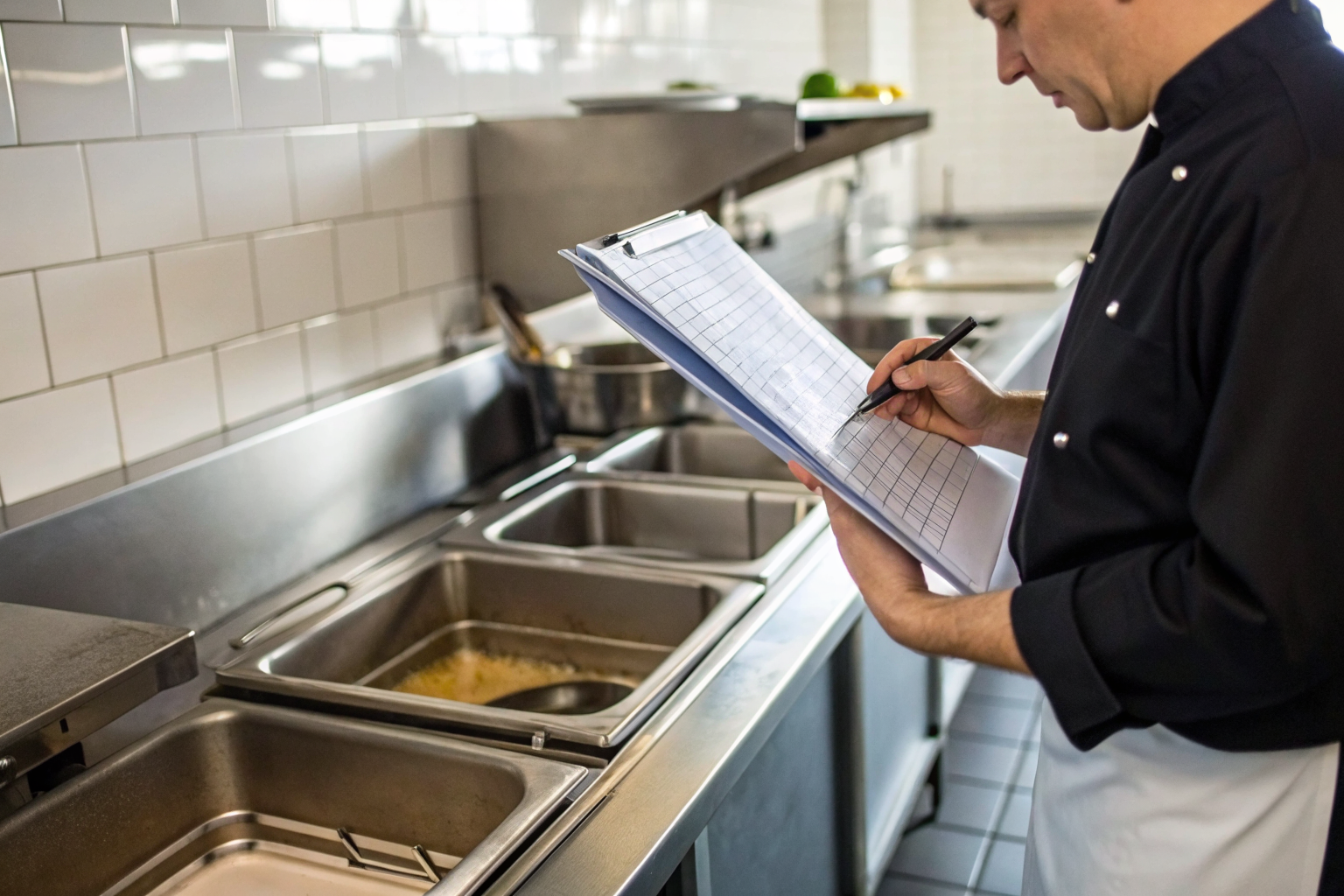
Compliance documentation prevents regulatory violations and provides legal protection during inspections. Missing records trigger automatic fines regardless of actual trap condition.
| Document Type | Retention Period | Required Information | Inspection Frequency |
|---|---|---|---|
| Cleaning Invoices | 3 years | Date, volume removed, hauler license | Every cleaning |
| Hauler Manifests | 3 years | Waste destination, disposal method | Every cleaning |
| Self-Inspection Logs | 1 year | FOG depth, cleaning trigger dates | Weekly minimum |
| Permit Documentation | Life of permit | Permit number, expiration date | Annual renewal |
| Violation Notices | Permanent | Citation details, correction actions | As issued |
| Training Records | 2 years | Staff training dates, topics covered | Annual minimum |
Missing cleaning records result in average fines of $2,500-$7,500 depending on jurisdiction. First-time documentation violations start around $1,000, but repeat offenses escalate quickly. Some cities impose daily penalties until you provide complete records.
Hauler certifications must appear on every invoice and manifest. The hauler needs proper licensing for liquid waste transport, approved disposal facility contracts, and current insurance coverage. You’re liable if your hauler operates illegally, even if you didn’t know.
Self-inspection logs show due diligence in monitoring trap conditions. Weekly FOG depth measurements demonstrate active management. Many jurisdictions reduce fines by 50% when you can prove consistent self-monitoring.
One thing about violation consequences: they compound rapidly. Initial citation for poor maintenance becomes “willful violation” if you don’t correct it within 30 days. Willful violations carry criminal penalties in some states, not just civil fines.
Digital record keeping works better than paper logs. Cloud storage prevents loss during kitchen accidents. Many haulers provide digital invoicing and manifest tracking that automatically creates compliant documentation.
How Do Seasonal Factors Affect Your Cleaning Schedule?

Seasonal variations modify cleaning frequency requirements based on temperature, customer volume, and menu changes. Standard schedules fail without seasonal adjustments.
Summer temperatures increase FOG accumulation rates by 30-40% compared to winter baseline. Heat accelerates bacterial decomposition and grease breakdown. Kitchen temperatures above 80°F create ideal conditions for rapid FOG production and trap capacity reduction.
Holiday volume spikes demand schedule adjustments. Thanksgiving week typically sees 60% higher customer counts. Christmas parties and New Year’s events create sustained high-volume periods lasting 4-6 weeks. Plan extra cleanings before and during these peaks.
Winter solidification issues affect trap performance differently. Cold weather hardens grease, potentially creating blockages in inlet pipes while appearing to slow accumulation in the trap itself. You might measure less floating grease but have more solid waste buildup.
Seasonal menu changes impact FOG production patterns. Summer fried food specials and ice cream operations increase grease loads. Winter comfort foods often involve more butter and oils. Holiday baking adds different fat types that affect trap chemistry.
Kitchen best management practices need seasonal modification. Summer requires more frequent grease disposal and increased attention to pest control around traps. Winter demands checking for freezing in exterior lines and ensuring adequate trap room heating.
Actually, seasonal staff turnover affects maintenance quality. Summer temporary workers and holiday help may not follow proper grease disposal procedures. Increase training frequency and inspection attention during high-turnover periods.
Frequently Asked Questions
Can you clean a grease trap yourself or do you need a licensed hauler?
Most jurisdictions require licensed grease haulers to pump commercial grease traps because the waste must be disposed of at approved facilities. DIY cleaning violates municipal codes and waste disposal regulations in nearly all commercial districts. Licensed haulers have proper equipment, disposal permits, and insurance coverage that individual restaurants cannot obtain.
What happens if you skip scheduled grease trap cleanings?
Skipped cleanings lead to FOG accumulation above 25%, causing automatic code violations. This triggers fines starting at $1,000-$3,000 for first offenses, with repeat violations reaching $10,000+ and potential restaurant closure orders. The grease also backs up into your plumbing system, creating expensive repair costs and possible health department shutdowns.
Do grease trap cleaning schedules change based on trap size?
Larger grease traps don’t automatically mean longer intervals between cleanings. Cleaning frequency depends on daily FOG volume, not trap capacity. A 50-gallon trap serving a busy kitchen needs more frequent cleaning than a 100-gallon trap serving light food prep. Trap size affects how quickly you reach the 25% accumulation threshold, but production volume determines the timeline.