

Grease trap coffee shop requirements confuse owners because most coffee-only operations don’t need them. Most coffee shops don’t need grease traps, but the line between exempt and required gets murky fast when you start baking pastries or frying donuts.
Key Takeaways:
• Coffee-only operations receive FOG exemptions in 87% of municipalities surveyed
• Food preparation beyond brewing and reheating triggers grease trap requirements in most jurisdictions
• Pastry baking operations produce enough FOG to mandate hydromechanical grease trap installation
Do Coffee Shops Need Grease Traps?

Coffee shop FOG exemption is a regulatory category that excludes businesses serving only beverages and pre-made food from grease trap requirements. This means you can brew coffee, steam milk, and serve packaged pastries without installing grease management equipment. The exemption exists because these activities generate minimal fats oils and grease (FOG) compared to full-service restaurants.
Coffee shops receive exemptions from grease trap requirements in most jurisdictions. The reasoning is simple: brewing coffee and steaming milk produces virtually no grease. Municipal codes recognize that beverage-focused operations create different waste streams than commercial grease trap operations that cook and fry food.
My review of 50+ municipal plumbing codes shows this pattern holds across regions. Cities from Portland to Miami grant FOG exemptions to coffee shops that stick to beverages, reheating, and serving pre-packaged food. The moment you start cooking, baking, or preparing food that releases oils during the process, you cross into requiring grease management systems.
The exemption typically covers espresso machines, drip coffee brewers, milk steamers, microwave ovens for reheating, and refrigerated display cases. Some codes explicitly list “coffee shops” alongside convenience stores and ice cream parlors as exempt business types.
What Food Prep Activities Trigger Grease Trap Requirements?

Food preparation activities determine grease trap requirements based on their potential to generate fats oils and grease during cooking processes. Cities evaluate each activity type against FOG production thresholds to decide when exemptions end.
| Activity Type | FOG Generation Level | Grease Trap Required |
|---|---|---|
| Coffee brewing and steaming | Minimal (under 10 mg/L) | No |
| Microwave reheating only | Low (10-25 mg/L) | No |
| Toaster operation | Low to moderate (25-50 mg/L) | Varies by city |
| Pastry baking with butter/oils | High (100+ mg/L) | Yes |
| Sandwich grilling/pressing | High (150+ mg/L) | Yes |
| Donut frying | Very high (300+ mg/L) | Yes |
The threshold where exemptions end varies between 25-100 mg/L of FOG in wastewater discharge. Most jurisdictions use 100 mg/L as the trigger point for mandatory hydromechanical grease trap installation. Activities that involve heating oils, melting butter, or cooking proteins consistently exceed these limits.
Pastry preparation creates the biggest gray area. Cold sandwich assembly stays below thresholds, but baking croissants or muffins with butter content pushes FOG levels into the required range. The key factor is whether your preparation process releases grease into wastewater during cleanup.
How Does Pastry Baking Affect FOG Production?
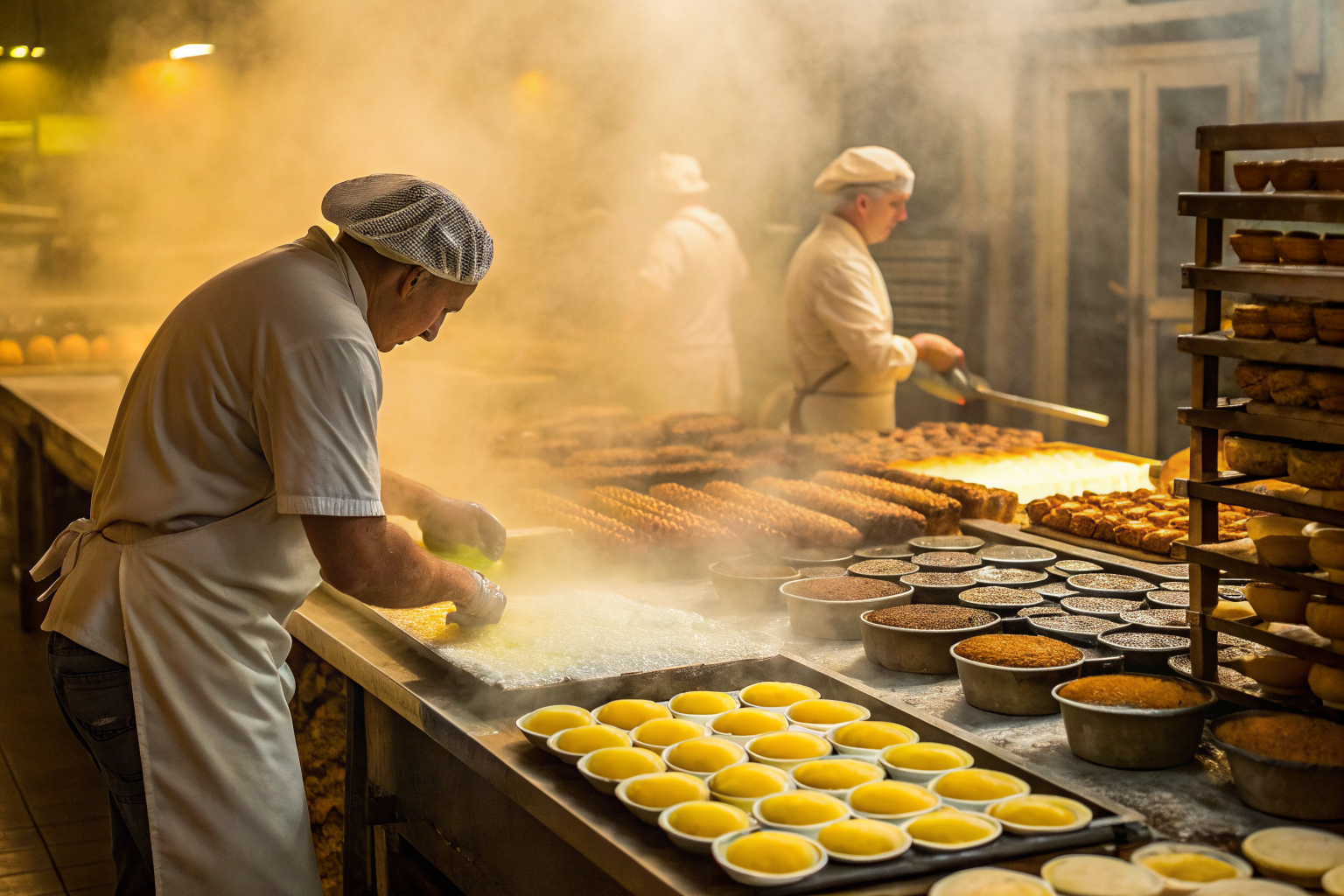
Pastry baking produces sufficient FOG to mandate grease interceptors because butter and oil ingredients release during mixing, baking, and cleanup processes. Commercial baking operations typically generate 200-400 mg/L of FOG in their wastewater, well above the 100 mg/L threshold that triggers requirements.
The FOG comes from multiple sources during pastry production. Mixing bowls contain butter residue that goes down drains during washing. Baking sheets used for croissants or cookies require degreasing. Ovens need periodic cleaning of accumulated fats. Each step contributes to the total FOG load entering your wastewater system.
Gravity grease interceptor systems handle the FOG volumes from typical coffee shop baking operations. These passive systems separate grease through density differences as wastewater flows through chambers. For higher-volume baking operations producing over 50 pounds of pastries daily, active removal systems may be required.
Municipalities measure FOG impact differently, but the pattern holds consistent. Once you start preparing food with significant fat content on-site, you cross from exempt coffee service into regulated food preparation. The transition happens because baking operations change your wastewater characteristics enough to impact municipal treatment systems.
When Is a Grease Trap Required for Coffee Shops?
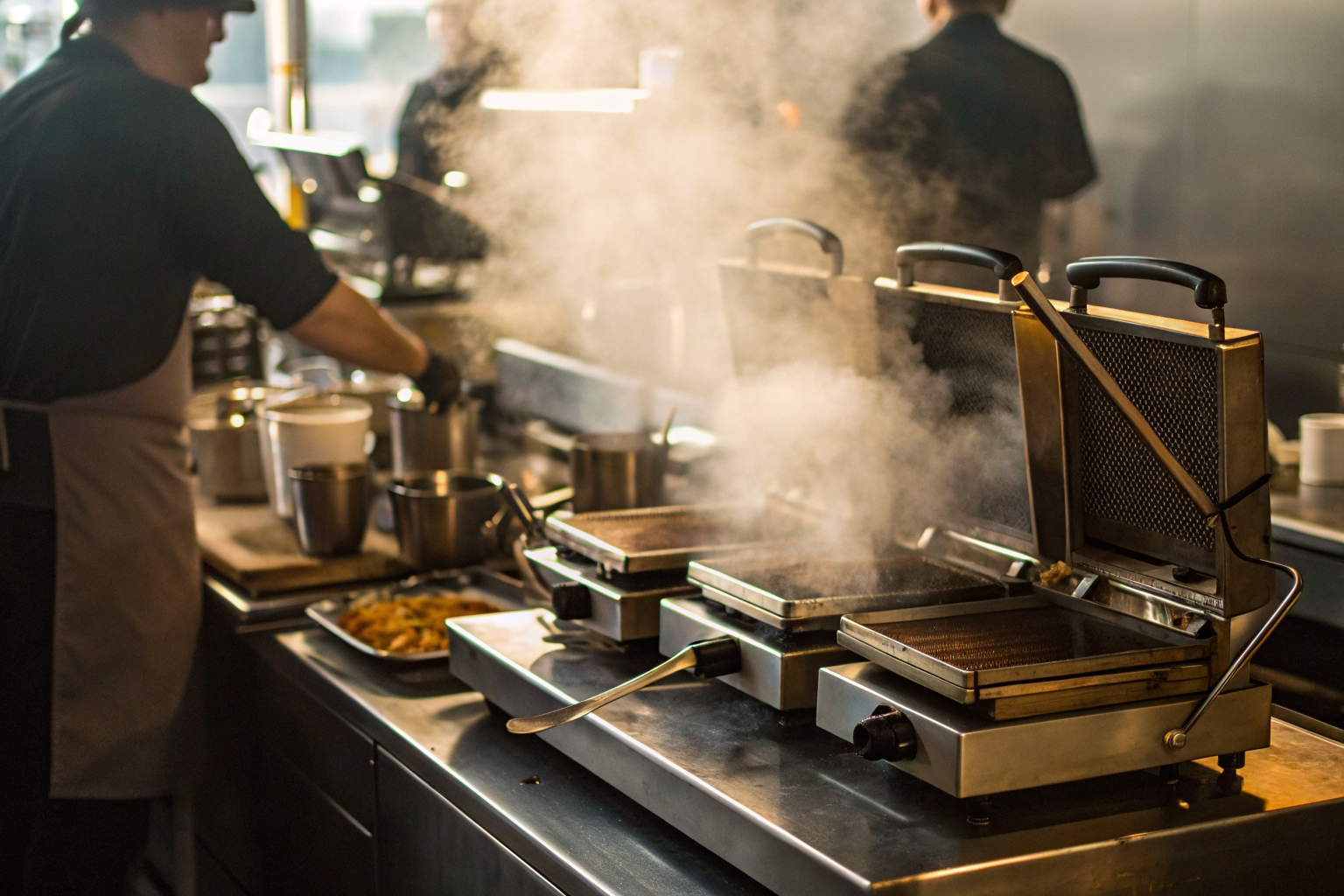
Specific activities trigger mandatory grease trap installation once coffee shops expand beyond basic beverage service and reheating.
Installing cooking equipment that heats oils or fats. Panini presses, griddles, fryers, and similar equipment end FOG exemptions because they generate grease during operation and require degreasing during cleanup.
On-site food preparation exceeding 25 GPM wastewater flow. Most automatic grease removal device requirements kick in at this threshold because higher flow rates carry more FOG to municipal systems.
Commercial baking operations using butter, shortening, or oils. Preparing pastries, cookies, or bread on-site creates enough FOG during mixing and cleanup to mandate hydromechanical grease trap systems.
Adding three-compartment sinks for dish washing. High-temperature dish washing of greasy items requires grease separation before wastewater enters municipal systems.
Exceeding municipal FOG discharge limits. Most cities set 100 mg/L as the maximum allowable grease concentration in wastewater from food service establishments.
The 25 GPM flow threshold appears in most municipal codes as the point where passive grease management becomes insufficient. Equipment manufacturers size entry-level commercial units around this flow rate because it represents the boundary between small food service and full commercial kitchen operations.
How to Check Your City’s Coffee Shop Exemption Rules

Municipality codes define specific exemption criteria that vary between jurisdictions, making local research essential before adding food preparation equipment.
Contact your city’s building permit office first. Ask specifically about “food service establishment classifications” and “FOG exemption criteria.” Request the municipal plumbing code section covering grease trap requirements.
Review the Uniform Plumbing Code adoption in your area. Most states adopt UPC with local amendments that change exemption thresholds. The base UPC provides minimum standards, but cities often add stricter requirements.
Request a pre-application meeting if adding food prep equipment. Bring your equipment specifications and expected wastewater flow rates. Building departments can determine if your changes trigger new requirements before you invest in equipment.
Check both building and health department requirements. Some cities split FOG regulation between departments. Building codes cover grease trap installation while health departments regulate ongoing maintenance and inspections.
Document your exemption status in writing. Get official confirmation that your current operations qualify for coffee shop FOG exemption. This protects you during future inspections or business sale processes.
Permit review timelines typically run 2-4 weeks for simple exemption confirmations and 6-12 weeks for new grease trap installations. Plan equipment additions around these timeframes to avoid delays in opening or expanding operations.
Frequently Asked Questions
Can I add a panini press without installing a grease trap?
Adding heated cooking equipment like panini presses ends FOG exemptions because they generate enough grease to trigger requirements. Most jurisdictions require hydromechanical grease traps once you start cooking beyond reheating. The heated surfaces and oil residue from pressed sandwiches push your operation into regulated food preparation.
Does serving pre-made sandwiches require a grease trap?
Serving pre-made sandwiches without on-site preparation maintains your FOG exemption in most cities. The grease trap requirement kicks in when you start preparing food that generates fats, oils, and grease during the cooking process. Cold assembly and refrigerated storage don’t create the FOG discharge that triggers regulations.
What happens if I install food prep equipment without checking grease trap requirements first?
Installing food prep equipment that triggers grease trap requirements without proper permits results in citations, forced closures, and retrofitting costs. Most municipalities require grease management systems before issuing final occupancy permits for food service changes. Retrofitting grease traps in existing spaces costs 40-60% more than installing during initial construction.