
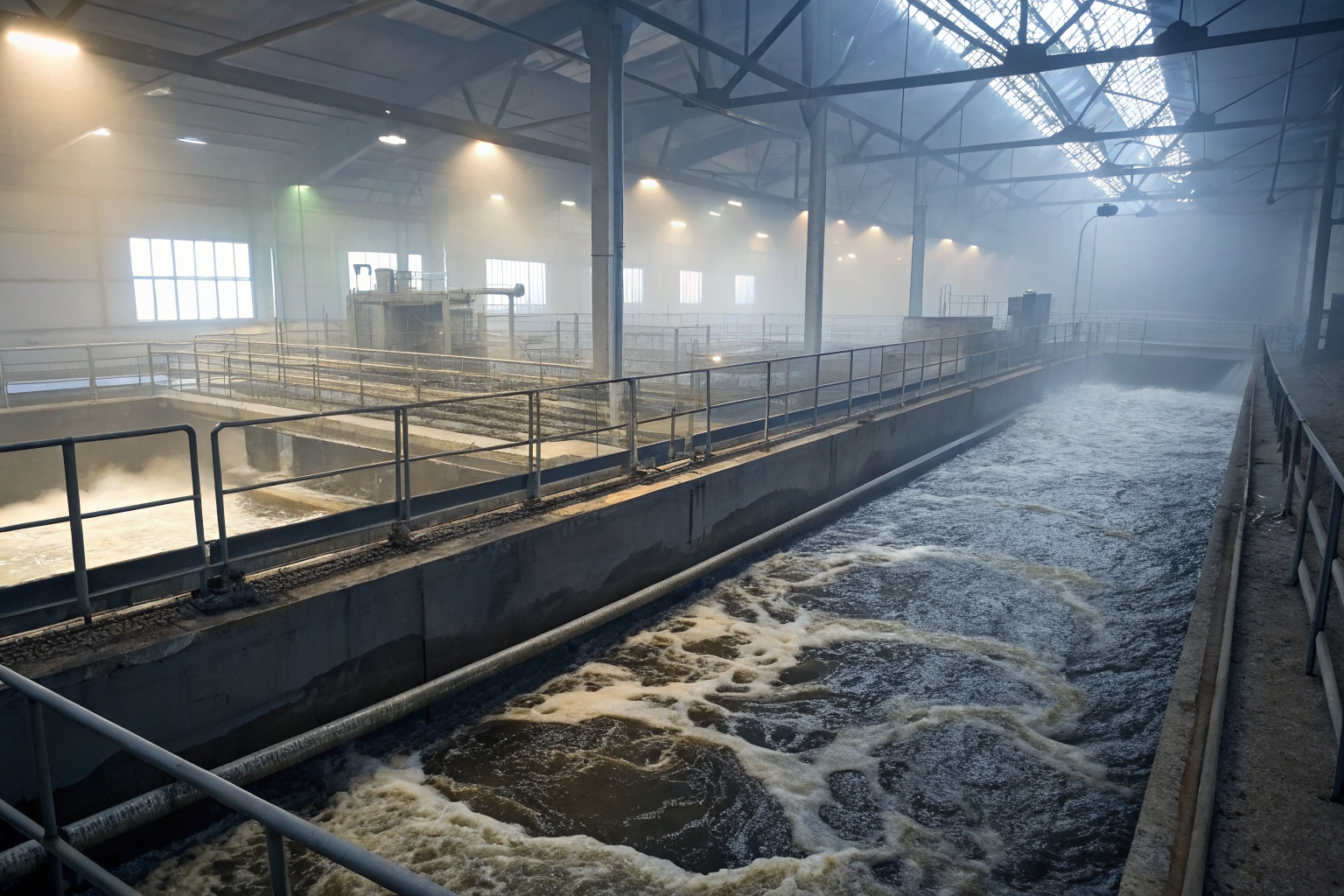
Oil water separator vs grease trap decisions cost facilities thousands when they install the wrong system. Auto mechanics installing grease traps and restaurant owners buying oil separators waste money on equipment that can’t handle their actual waste stream.
Key Takeaways:
• Oil water separators handle petroleum-based liquids (gasoline, motor oil) while grease traps capture food-based fats, oils, and grease (FOG)
• Automotive facilities need oil water separators for EPA compliance, food service operations need grease traps for municipal sewer protection
• Using the wrong separator type violates environmental regulations and voids equipment warranties
What’s the Difference Between Oil Water Separators and Grease Traps?
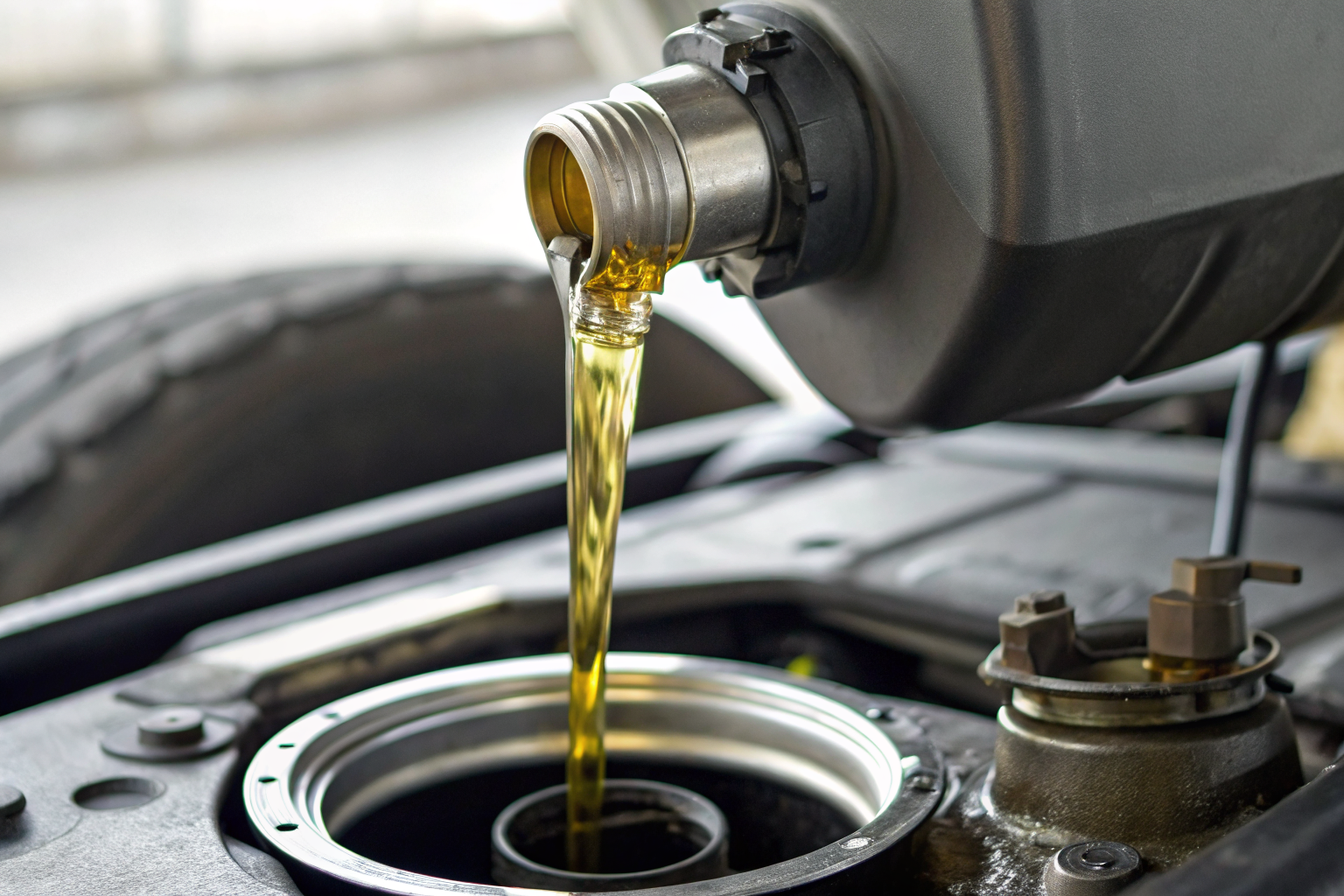
Oil water separators are mechanical devices that remove petroleum hydrocarbons from wastewater using gravity separation and coalescence. This means they target gasoline, motor oil, hydraulic fluid, and other petroleum-based contaminants that float on water’s surface.
Grease traps are passive interceptors that capture fats oils and grease (FOG) from food preparation wastewater. They slow water flow and cool temperatures to allow FOG to solidify and separate from the liquid stream.
The fundamental difference lies in the waste chemistry each system handles. Oil water separators process petroleum products that remain liquid at most temperatures and separate through specific gravity differences. Grease traps work because animal fats and cooking oils solidify when they cool below their melting point.
Operating temperatures reveal another key distinction. Grease traps operate at 140°F maximum to maintain FOG solidification, while oil separators handle temperatures up to 180°F because petroleum products don’t require cooling for separation.
You can’t substitute one system for the other. A commercial grease trap fails when petroleum products coat its baffles, preventing proper FOG capture. Oil separators can’t handle solidified grease that clogs their coalescence chambers.
Which Facilities Need Oil Water Separators vs Grease Traps?
| Facility Type | Required System | Waste Stream | Regulatory Authority |
|---|---|---|---|
| Automotive garage | Oil water separator | Petroleum hydrocarbons, coolants | EPA, state environmental |
| Restaurant | Grease trap | Fats, oils, grease from food prep | Municipal sewer authority |
| Gas station with food | Both systems | Petroleum + FOG (separate lines) | EPA + municipal |
| Manufacturing plant | Oil separator or specialized | Industrial oils, cutting fluids | EPA industrial discharge |
| Hospital kitchen | Grease trap | Food service FOG only | Municipal sewer authority |
Auto repair shops generate 15-50 gallons of oily wastewater per service bay daily from floor drains, parts washing, and equipment maintenance. This petroleum-contaminated water requires oil separation before discharge.
Food service establishments produce FOG-laden wastewater from dishwashing, food prep, and cooking equipment cleaning. What is a grease trap becomes the critical question for these facilities because municipal authorities require FOG capture to prevent sewer blockages.
Common misapplications happen when gas station owners install only grease traps for convenience stores with food service. They need separate systems because mixing petroleum and FOG waste streams reduces separation efficiency and violates both EPA and municipal regulations.
Facilities handling both waste types can’t use a single system effectively. The chemistry and separation mechanisms are incompatible.
Do I Need a Grease Trap or Oil Separator for My Business?
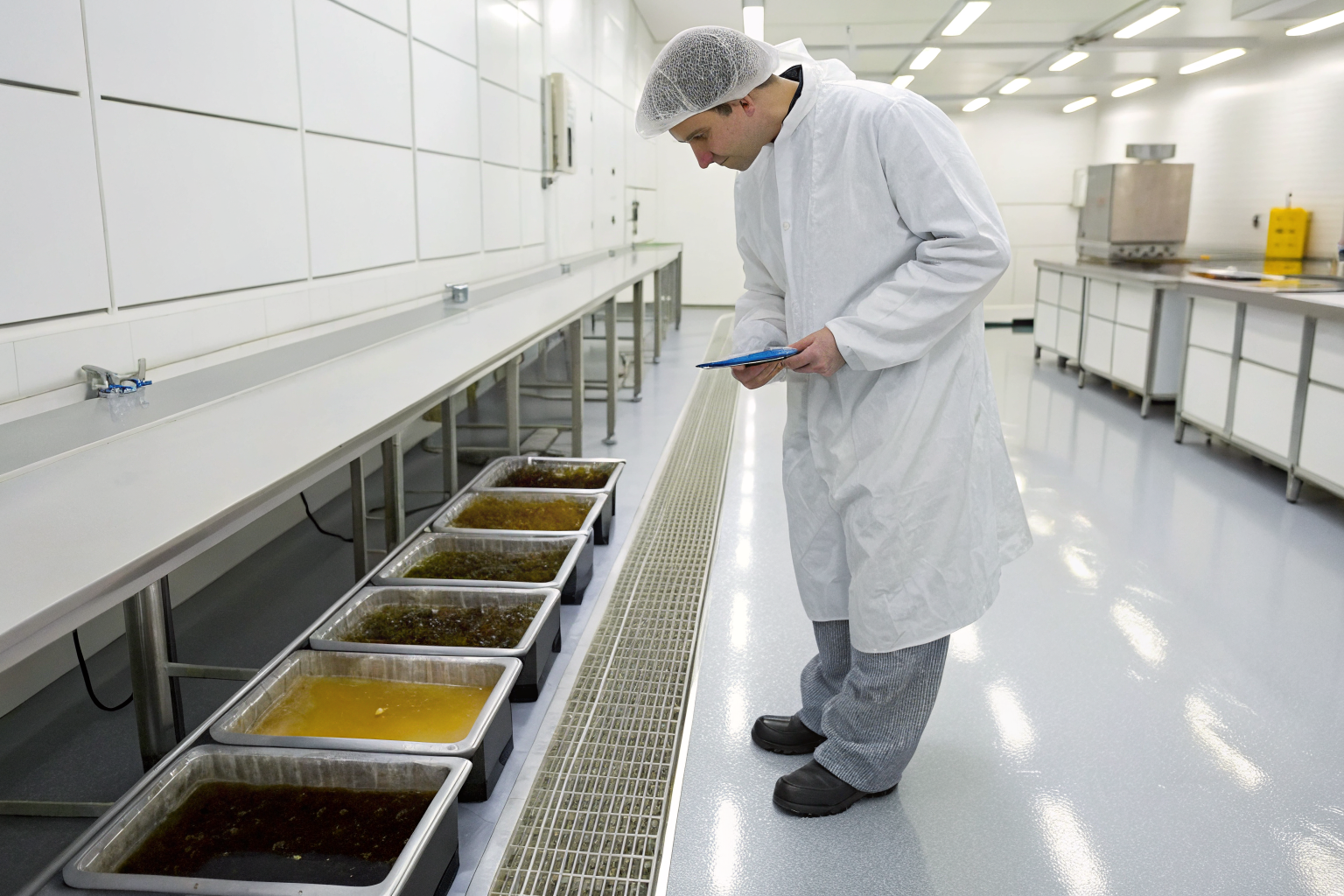
Analyze your waste stream composition. List all liquids that enter your floor drains and wastewater system. Petroleum products (gas, oil, coolant, solvents) require oil separation. Food-based fats, oils, and cooking grease require grease trapping.
Check local regulatory requirements. Contact your municipal sewer authority about grease trap requirements for food service operations. Contact your state environmental agency about oil water separator requirements for automotive or industrial facilities.
Identify your primary business operation. Automotive facilities need oil separators for EPA compliance. Restaurants and food service operations need grease traps for municipal sewer protection. Mixed-use facilities need both systems on separate drain lines.
Calculate your daily waste volume. Measure how much contaminated wastewater you generate daily. This determines the required system capacity and sizing for proper retention time.
Consider cross-contamination sources. Even small amounts of petroleum contamination will clog grease trap systems. Even minor fats oils and grease (FOG) contamination reduces oil separator efficiency.
Businesses handling both waste types need dual systems or combination units rated for mixed contamination. You can’t process petroleum and FOG waste through the same separation system without performance degradation.
How Do Regulatory Requirements Differ for Each System?
| Requirement | Oil Water Separator | Grease Trap |
|---|---|---|
| Governing authority | EPA, state environmental | Municipal sewer authority |
| Discharge standard | 10 ppm oil content max | 300 ppm FOG content max |
| Inspection frequency | Quarterly by certified inspector | Monthly by facility staff |
| Maintenance records | Required for EPA compliance | Required for municipal permit |
| Violation penalties | Federal environmental fines | Sewer surcharge fees |
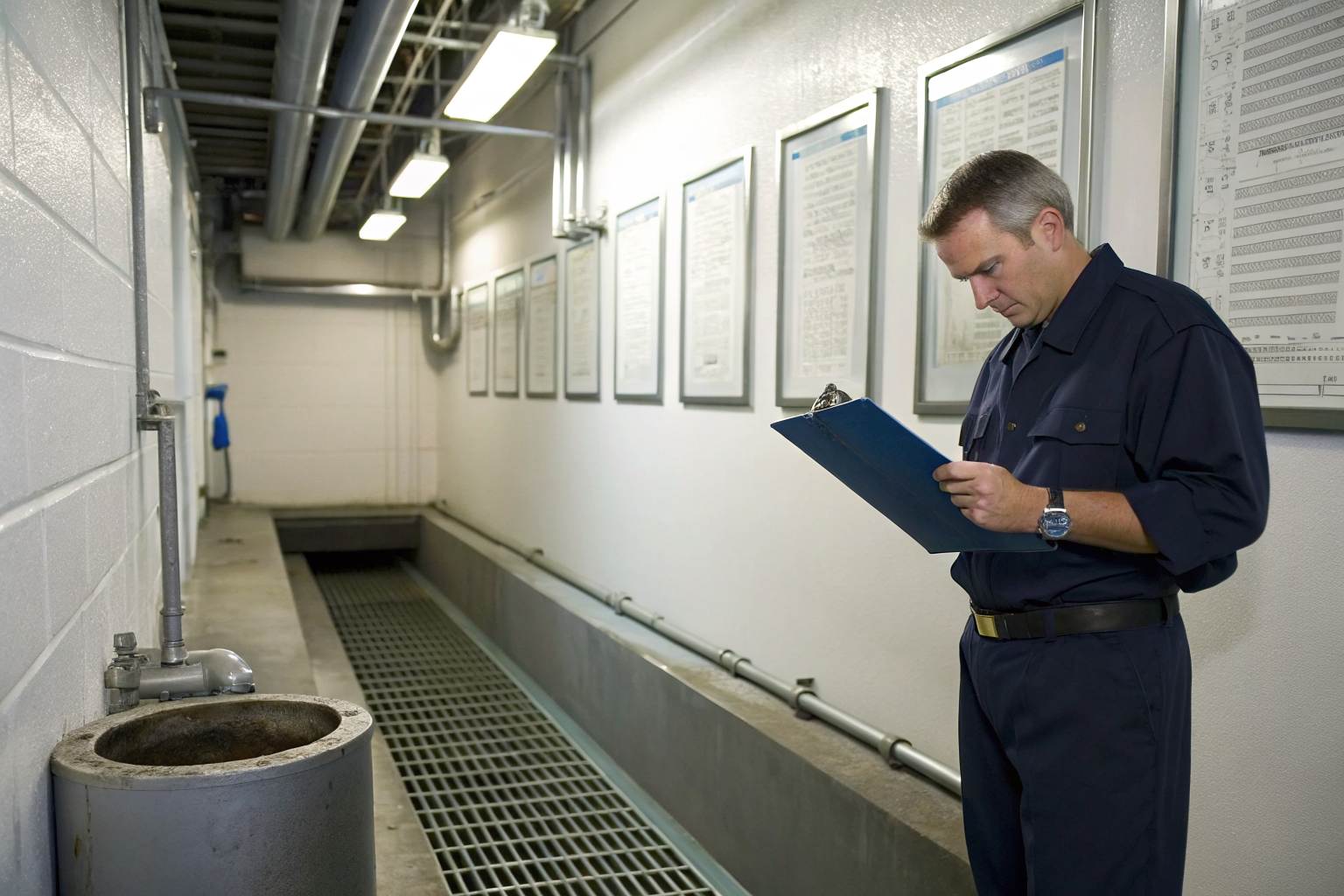
EPA regulations govern oil water separator compliance under the Clean Water Act. Facilities must achieve 10 ppm or less oil content in effluent discharge. Federal environmental violations carry steep penalties and require immediate corrective action.
Municipal sewer authorities regulate grease traps under local ordinances designed to prevent sanitary sewer overflow events. FOG discharge limits typically cap at 300 ppm, though some jurisdictions set stricter standards.
Inspection requirements differ significantly. Oil separators need quarterly professional inspections with certified documentation for EPA compliance. Grease traps require monthly facility staff inspections with pumping records submitted to municipal authorities.
Environmental protection agencies can shut down facilities with non-compliant oil separators. Municipal authorities can disconnect sewer service for facilities with inadequate grease trapping.
Can You Use One System for Both Oil and Grease Separation?
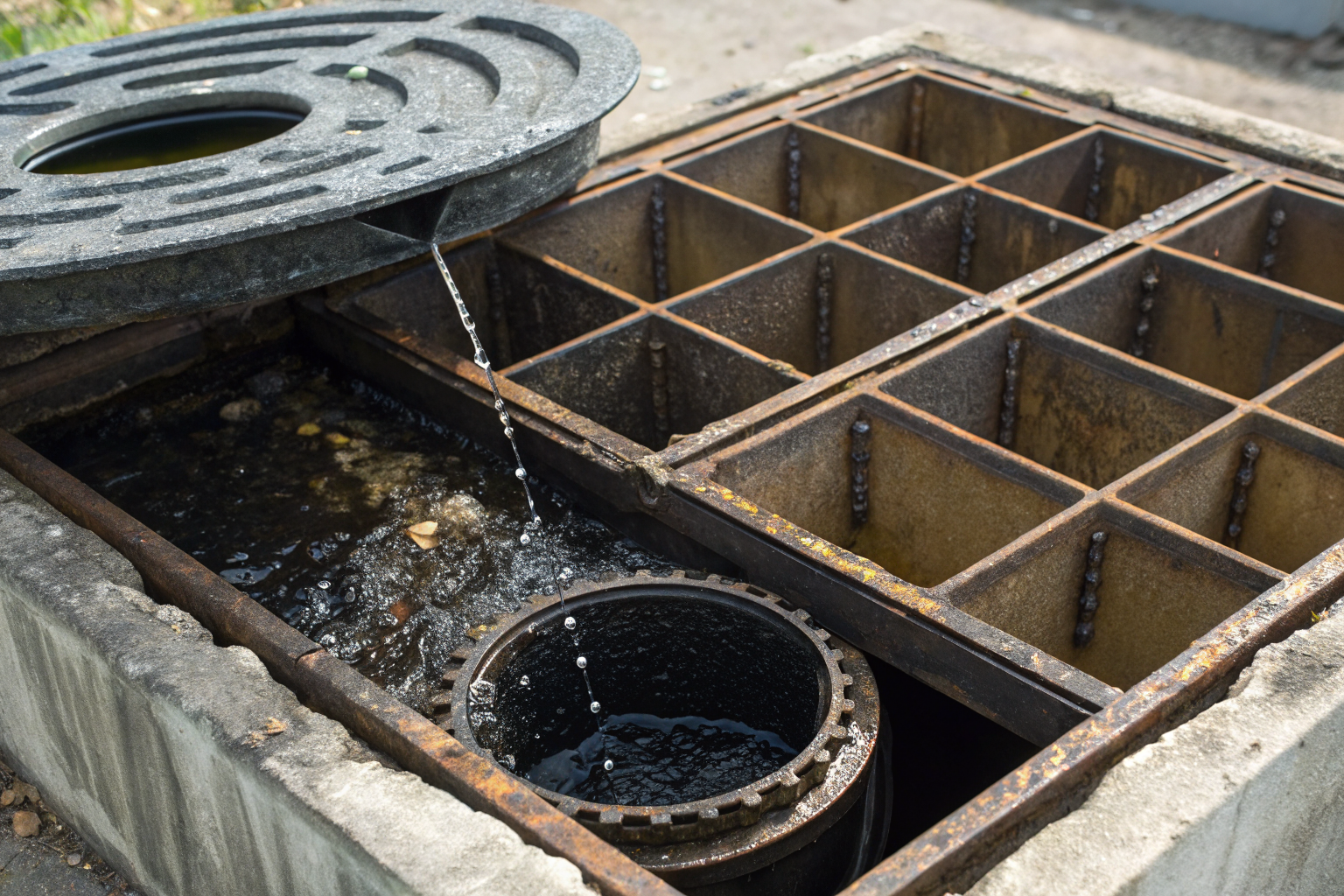
Cross-contamination reduces separation efficiency by 35-60% compared to dedicated systems. Petroleum products coat grease trap baffles, preventing proper FOG capture and cooling. Solidified grease clogs oil separator coalescence chambers, blocking petroleum removal.
Baffle system design differences make combination units problematic. Grease traps use multiple baffles to slow flow and provide retention time for cooling and solidification. Oil separators use coalescence baffles that encourage petroleum droplet formation and surface separation.
Retention time requirements conflict between the two waste types. Grease traps need longer residence time for cooling and FOG solidification. Oil separators work faster because petroleum products separate through density differences without temperature change.
Combination units work only when facilities generate minimal amounts of one waste type. A restaurant with a small automotive service area might use a specialized dual-chamber system. However, these units cost more than separate systems and require complex maintenance protocols.
Most facilities get better performance and regulatory compliance with dedicated systems handling each waste stream separately.
Frequently Asked Questions
Can a restaurant use an oil water separator instead of a grease trap?
Oil water separators cannot handle fats, oils, and grease (FOG) from food preparation. FOG solidifies at different temperatures than petroleum products, clogging oil separator baffles and reducing retention time effectiveness. Restaurants must use proper grease trap systems for municipal compliance.
What happens if I install the wrong type of separator?
Using an oil separator for grease or vice versa violates local plumbing codes and environmental regulations. The equipment will fail to meet discharge standards and may cause sanitary sewer overflow violations. You’ll face penalties, equipment replacement costs, and potential facility shutdowns.
Do gas stations need both oil separators and grease traps?
Gas stations with food service areas need both systems. The oil separator handles petroleum contamination from fuel dispensing areas, while the grease trap manages FOG from food preparation in separate drain lines. Cross-connecting these waste streams violates EPA and municipal regulations.