
Grease trap code requirements vary drastically across states because 27 jurisdictions follow different plumbing codes with conflicting installation standards. Your commercial grease trap installation could fail inspection simply because you followed the wrong code.
Key Takeaways:
- UPC uses fixture capacity method while IPC allows drainage fixture units, calculations can differ by 30%
- 15 states mandate UPC code adoption, 12 require IPC, and 23 allow local jurisdiction choice
- IPC allows 6-foot venting extensions that UPC prohibits, affecting 40% of kitchen layouts
Which Plumbing Code Does Your State Follow?
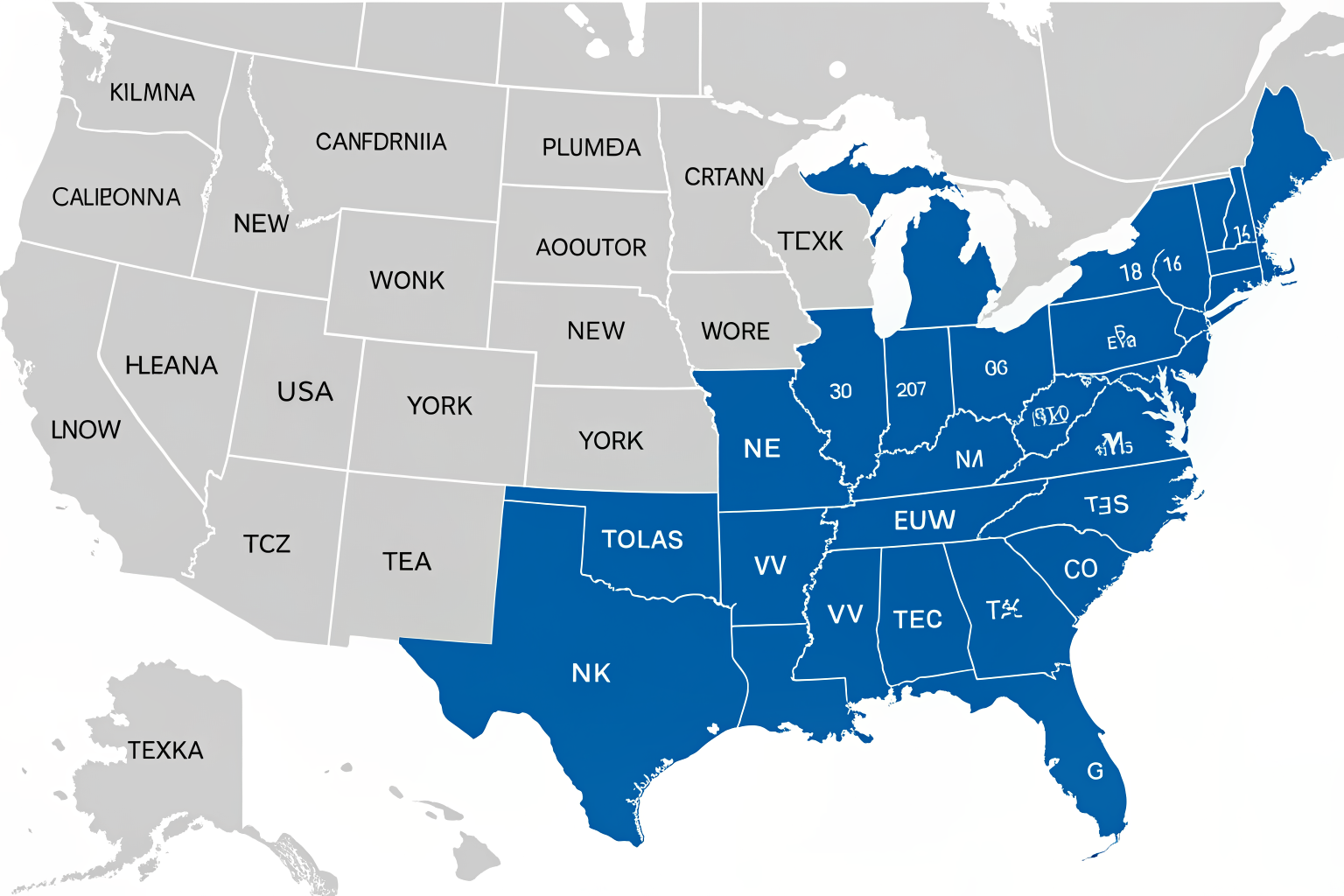
State code adoption determines every aspect of your grease trap installation. California enforces UPC statewide while New York mandates IPC compliance. Texas lets each municipality choose its preferred code.
Fifteen states mandate UPC code adoption including California, Nevada, and Hawaii. Twelve states require IPC compliance including New York, Illinois, and Florida. Twenty-three states allow local jurisdiction choice, creating a patchwork of requirements within state borders.
State code adoption affects sizing calculations, fixture connections, and venting requirements. A grease trap sized correctly under UPC may fail IPC inspection in the same building.
| Feature | UPC States | IPC States | Local Choice States |
|---|---|---|---|
| Sizing Method | Fixture capacity only | Drainage fixture units | Varies by municipality |
| Dishwasher Connection | Prohibited | Allowed with conditions | Depends on adopted code |
| Vent Extension Limit | 25 feet maximum | 50 feet with proper venting | Follows chosen standard |
| Inspection Authority | State plumbing board | State or local inspector | Local building department |
Verify your jurisdiction’s requirements before starting any grease trap project. Contact your local building department to confirm which code they enforce. Some cities adopt modified versions of either code with additional restrictions.
Code verification prevents costly reinstallation and permit delays. A $5,000 grease trap installation can become a $15,000 mistake if you follow the wrong standard.
How Do UPC vs IPC Sizing Methods Differ?
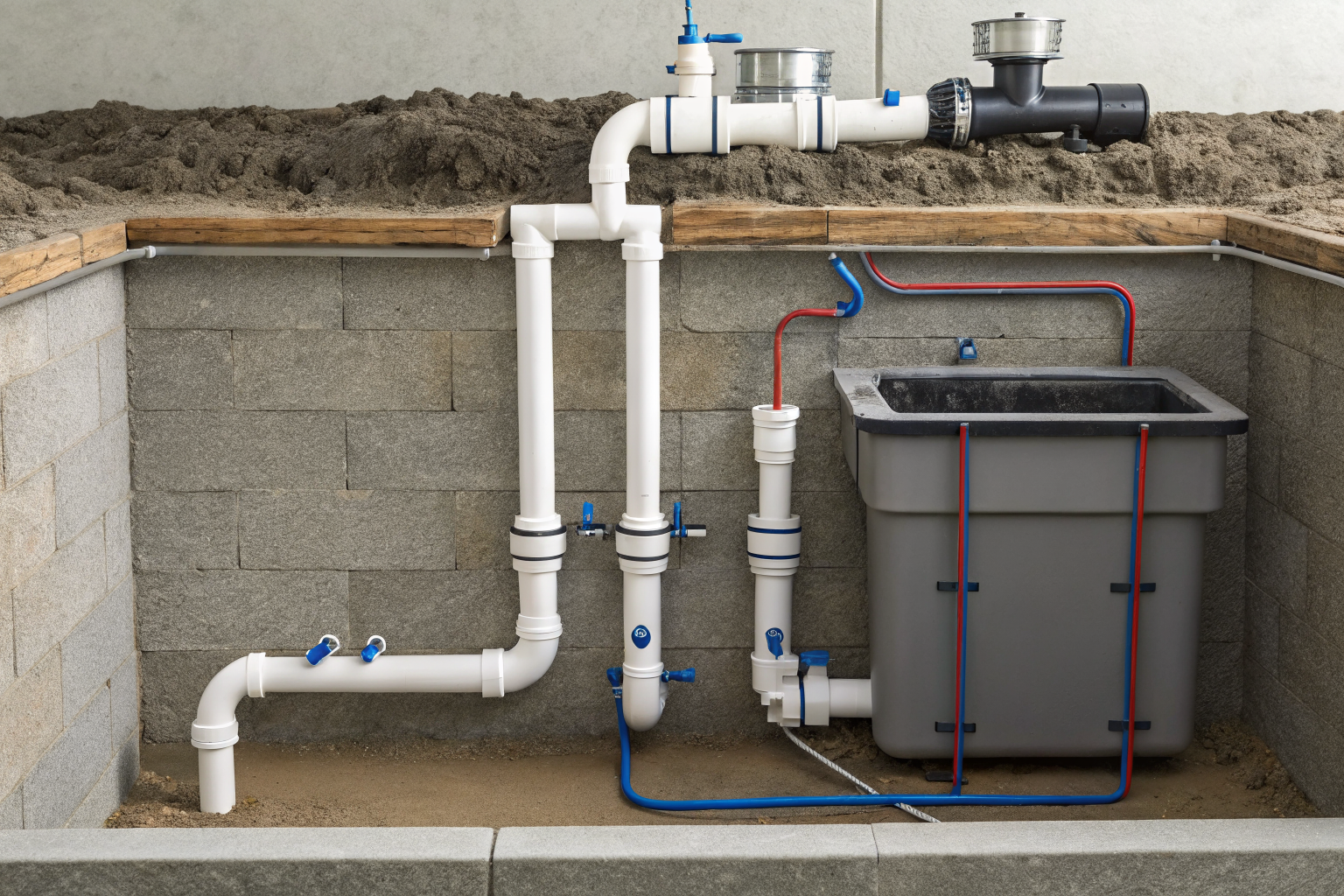
UPC requires fixture capacity method for all grease trap sizing calculations. This method counts the total flow rate from connected fixtures in gallons per minute.
IPC allows drainage fixture units method as an alternative to fixture capacity. Drainage fixture units assign point values to different fixture types based on their discharge patterns.
Sizing calculations can differ by up to 30% between codes for the same kitchen layout. A 20 GPM grease trap under UPC might require 30 GPM capacity under IPC calculations.
| Calculation Method | UPC Requirement | IPC Option A | IPC Option B |
|---|---|---|---|
| Primary Method | Fixture capacity (GPM) | Fixture capacity (GPM) | Drainage fixture units |
| Three-compartment sink | 25 GPM | 25 GPM | 3 fixture units each |
| Pre-rinse spray valve | 5 GPM | 5 GPM | 3 fixture units |
| Floor sink | 3 GPM | 3 GPM | 1 fixture unit |
| Mop sink | 3 GPM | 3 GPM | 2 fixture units |
UPC fixture capacity method adds all connected fixture flow rates directly. A kitchen with three sinks at 25 GPM each requires a 75 GPM grease trap minimum.
IPC drainage fixture units method converts fixtures to point values then applies conversion tables. The same three sinks equal 9 fixture units, which might translate to 60 GPM or 90 GPM depending on the table used.
The fixture capacity method produces more consistent results across different jurisdictions. Drainage fixture units can vary based on which conversion table the inspector references.
Always verify your calculations with the local authority having jurisdiction. Some inspectors prefer one method over another even when both are technically allowed.
What Are the Fixture Connection Rules by Code?
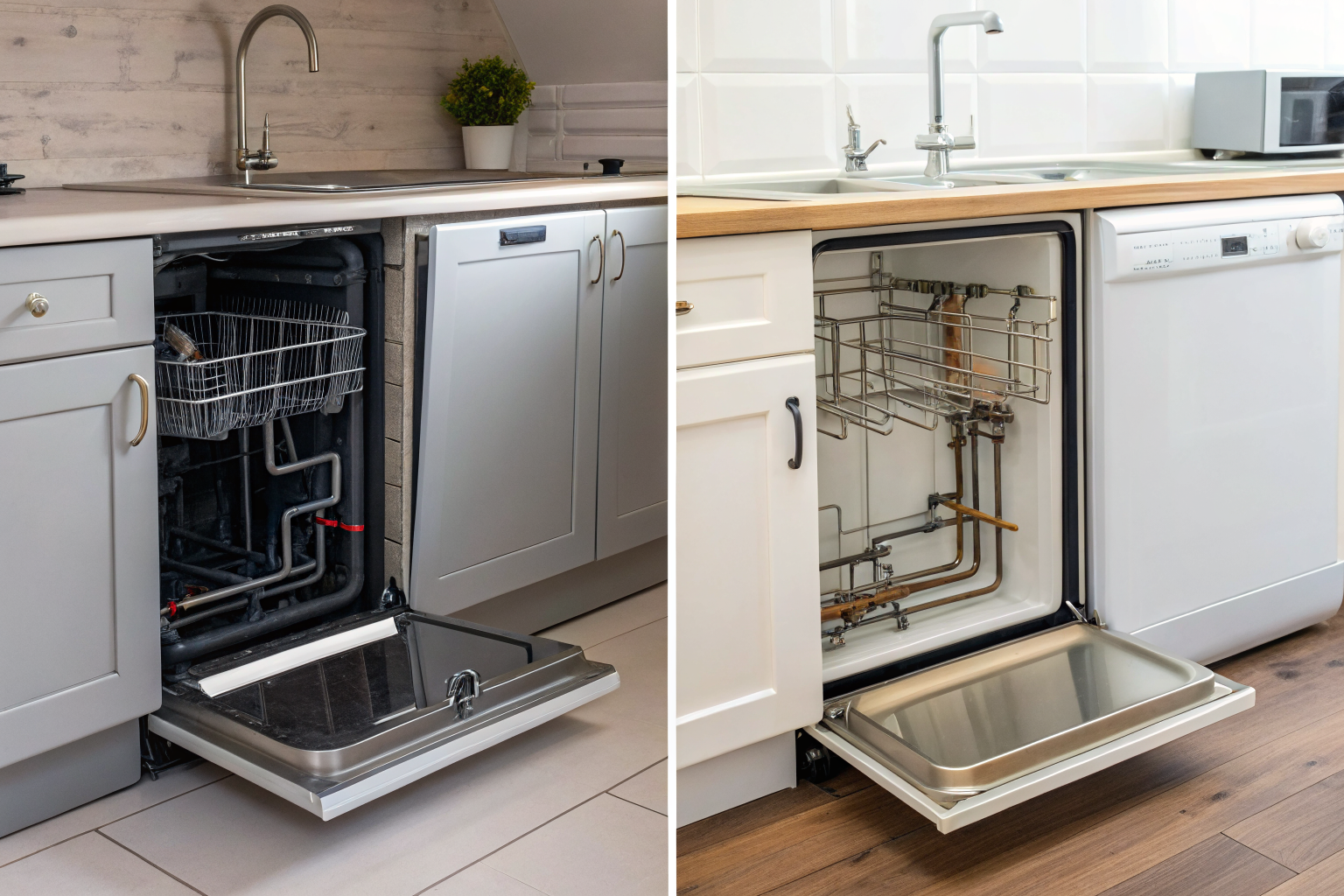
Fixture connection rules determine which kitchen equipment must discharge through your grease trap. UPC and IPC have different requirements for dishwashers and specialty equipment.
| Fixture Type | UPC Connection Rule | IPC Connection Rule | Common Variance |
|---|---|---|---|
| Three-compartment sink | Required | Required | None |
| Pre-rinse spray valve | Required | Required | None |
| Dishwasher | Prohibited | Allowed in 3 scenarios | High-temp, chemical sanitizing, or indirect waste |
| Floor drains | Required if FOG present | Required if FOG present | Depends on kitchen layout |
| Prep sinks | Required | Required | None |
| Mop sinks | Optional | Optional | Local jurisdiction varies |
UPC prohibits all dishwasher connections to grease traps. The code treats dishwashers as potential sources of hot water and detergents that can damage trap performance.
IPC allows dishwasher connections in three specific scenarios. High-temperature dishwashers above 180°F can connect because heat helps separate grease. Chemical sanitizing dishwashers qualify if they use approved cleaning agents. Indirect waste connections through an air gap also meet IPC requirements.
Pre-rinse spray valves must connect to grease traps under both codes. These fixtures generate the highest FOG concentrations in commercial kitchens.
Floor drains require grease trap connections only when they receive FOG-contaminated wastewater. Dishwashing area floor drains typically need connection while dining room drains do not.
Some local jurisdictions add restrictions beyond the base code requirements. Always check for local amendments before finalizing your connection plan.
How Do Venting Requirements Compare Between Codes?
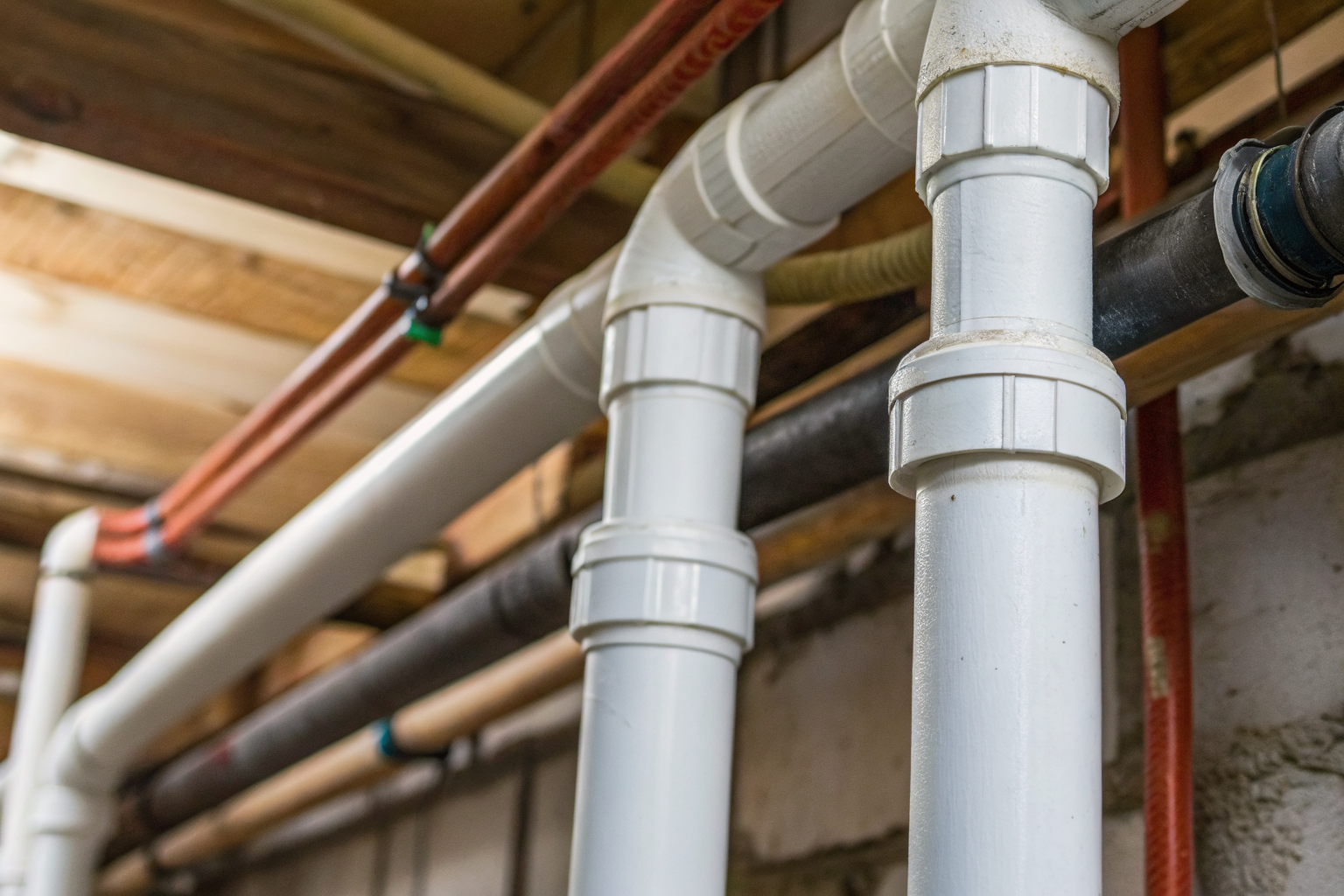
Venting requirements protect trap seals and prevent sewer gas infiltration. UPC and IPC specify different pipe sizing and horizontal run limits.
Vent pipe sizing follows different calculation methods. UPC requires vent pipes sized at 50% of the drain pipe diameter minimum. IPC allows smaller vent pipes based on developed length and fixture unit load calculations.
Maximum horizontal vent runs vary significantly between codes. UPC limits horizontal vent extensions to 25 feet from the trap. IPC allows up to 50 feet with proper slope and sizing.
Trap seal protection requirements differ in scope. UPC mandates individual venting for each grease trap installation. IPC permits common venting systems when properly designed and calculated.
Vent termination heights follow different standards. UPC requires vents to extend 6 inches above roof line minimum. IPC specifies 12 inches above roof line or 3 feet from any window or air intake.
Connection methods for multiple traps vary by code. UPC requires separate vent connections for each grease trap. IPC allows manifold venting systems with proper sizing calculations.
IPC allows 6-foot horizontal vent extensions that UPC prohibits. This flexibility affects 40% of kitchen layouts where straight vertical venting isn’t possible.
Vent pipe material requirements remain consistent between codes. Both specify Schedule 40 PVC or ABS plastic for most applications.
Proper venting prevents trap seal loss and maintains system performance. Inadequate venting causes slow drainage and sewer gas problems in kitchen areas.
Where Must Grease Traps Be Located Under Each Code?
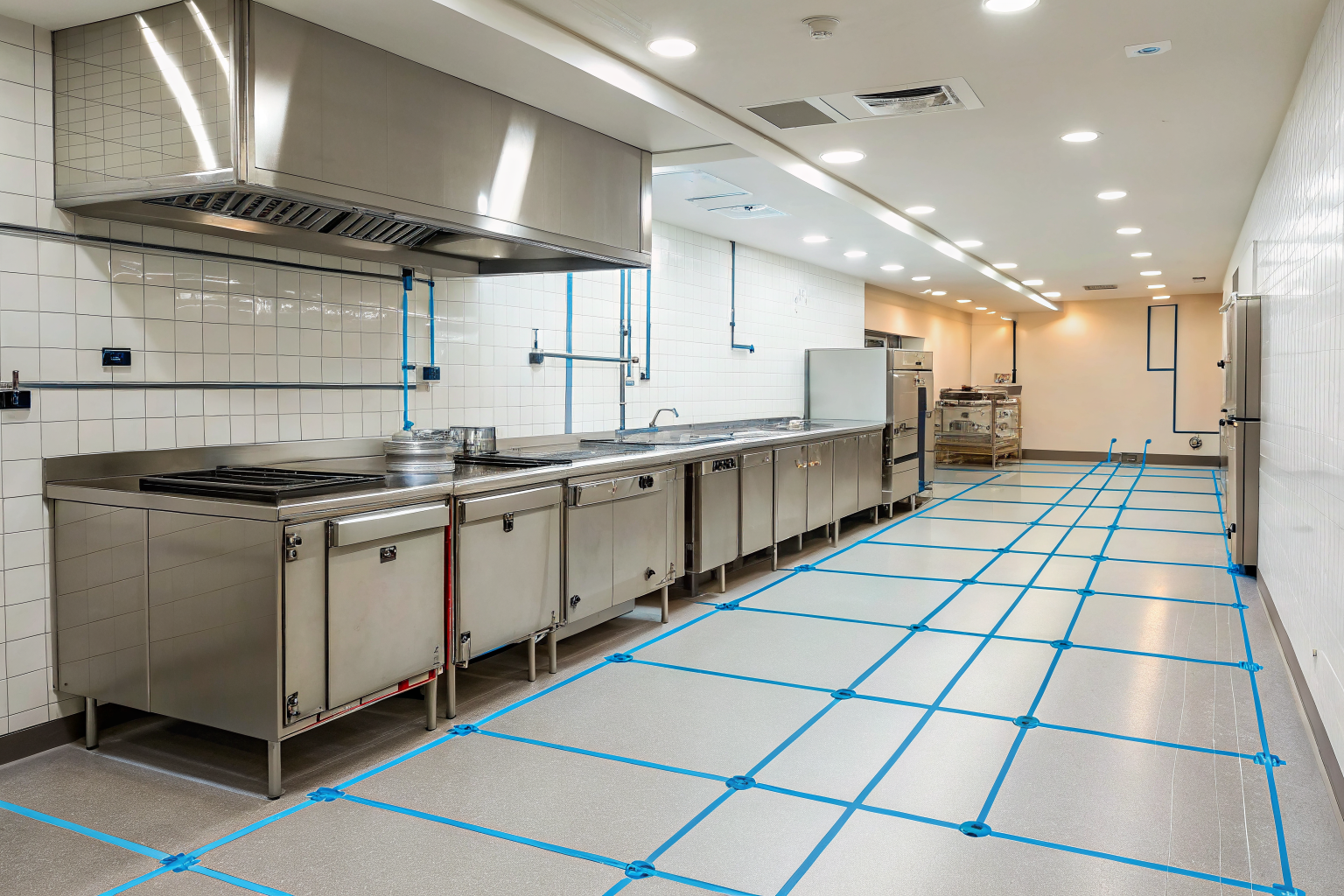
Location requirements ensure proper access and maintenance while meeting safety standards. UPC and IPC specify different distance limits and placement restrictions.
Measure horizontal distances from connected fixtures accurately. UPC requires 25-foot maximum horizontal run from the furthest fixture. IPC allows 50 feet with proper venting and slope calculations.
Verify accessibility clearances around the trap location. Both codes require 18-inch minimum clearance on all sides for maintenance access. Cover removal and pump-out operations need adequate working space.
Check outdoor installation requirements if placing outside. UPC mandates frost protection below 32°F design temperatures. IPC requires weather-resistant covers and proper drainage away from the trap.
Confirm indoor placement meets structural requirements. Floor loading calculations must account for trap weight plus retained grease and water. Structural engineers may need to verify floor capacity.
Document compliance with local setback requirements. Some jurisdictions require additional distances from property lines, wells, or septic systems beyond base code requirements.
Location must comply with both plumbing codes and local zoning restrictions. A code-compliant installation can still violate municipal setback requirements.
UPC requires grease traps located as close as possible to connected fixtures. This minimizes pipe runs and reduces maintenance problems.
IPC allows greater flexibility in trap placement but requires proper hydraulic calculations. Longer runs need larger pipe sizes and additional venting.
Accessibility requirements affect both indoor and outdoor installations. Maintenance crews need clear access paths and adequate workspace around the trap.
Frequently Asked Questions
Can I use IPC sizing methods if my state follows UPC code?
No, you must follow your jurisdiction’s adopted code requirements. Using IPC methods in UPC jurisdictions can result in failed inspections and permit denials. Always verify which code your local authority enforces before beginning calculations.
What happens if I install a grease trap that doesn’t meet my local plumbing code?
Code violations result in failed inspections, permit revocation, and mandatory reinstallation at full cost. Some jurisdictions also impose daily fines until compliance is achieved. FOG violation citations can follow, affecting your business license.
Do EPA regulations override local plumbing code requirements?
EPA 40 CFR 403 sets minimum FOG discharge limits but doesn’t specify installation methods. Local plumbing codes govern installation while EPA rules control effluent quality. You must comply with both sets of requirements simultaneously.